Trying out new food for your dog can be a tricky process. Owners want quality, but changing a pet’s diet suddenly often comes with questions.
If you’re wondering how to request free samples of special dog food kits , you’re not alone. For those who care deeply about what goes into their dog’s bowl, exploring food samples can be a smart move.


This guide is meant for pet owners looking for convenient, lower-risk ways to assess different dog food options before committing to big purchases.
The goal? Helping you make better informed, happier choices for your furry friend, all while controlling costs.
Why Free Dog Food Samples Matter for Pet Owners?
Dog food can get expensive, especially when special dietary needs are involved. Not every brand, flavor, or formulation suits every pup.
Some dogs have allergies. Others, well, just don’t seem to like what you put down. That’s where free dog food samples can be valuable.
They allow you to test different types with little risk. Occasionally, it might take two or three tries before you discover the right one.
Understanding Special Diets
Special dog food kits include products for sensitive stomachs, allergies, grain-free nutrition, or high-protein recipes.
Owners unsure about their dog’s needs may find it helpful to test specific formulations before making a change.
Sometimes the difference is remarkable – a particular food might improve a pet’s digestion or coat, while another may not bring any visible benefits at all.
Saving Money and Reducing Waste
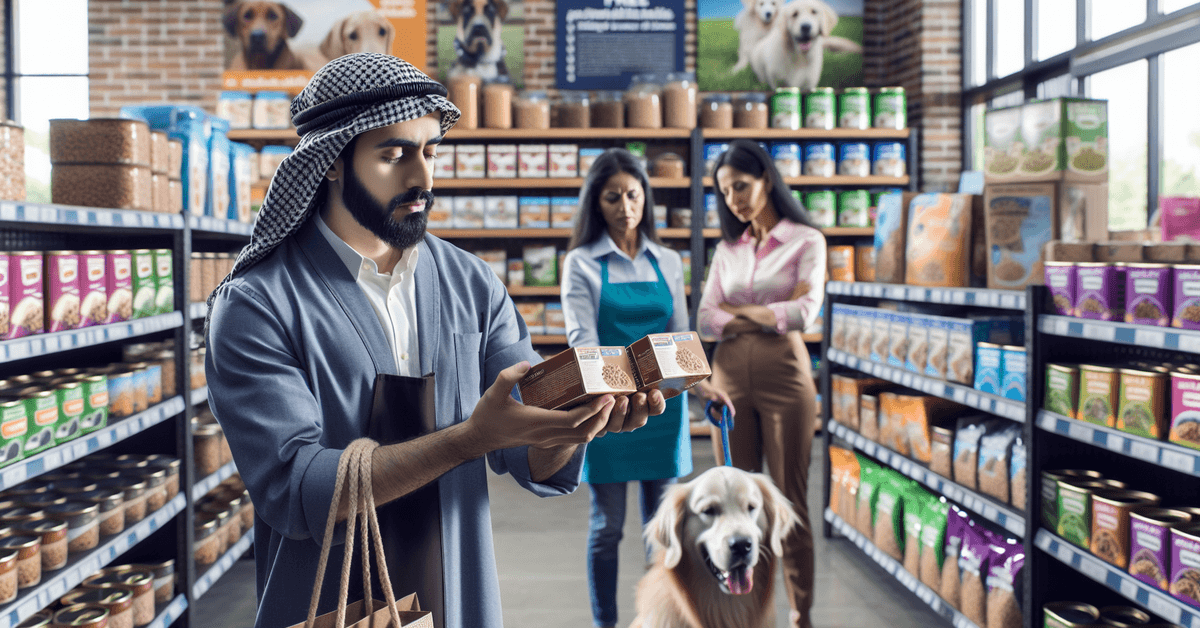
Nobody wants to throw away half-used bags of food. Getting samples means you test before buying in bulk.
This reduces waste at home and helps avoid clutter from packaged foods that your dog refused after the third sniff.
Where to Find Free Samples of Special Dog Food Kits?
Finding trustworthy sources for dog food samples sometimes feels overwhelming. Some opportunities pop up on brand websites, while others are shared by vet clinics or pet stores.
It’s worth noting that big chains like Petco and smaller specialty boutiques often have different approaches to samples.
Brand Websites and Promotions
Many dog food producers run ongoing sample requests through their official sites. Typically, there’s a simple online form.
Brands like Hill’s Science Diet, Blue Buffalo, or Purina sometimes offer samples of new lines or special kits. These opportunities change throughout the year, so it’s a good idea to revisit favorite brands periodically.
Veterinary Partnerships
Some dog food companies collaborate with vets, offering samples directly in clinics. If a dog has health concerns, a veterinarian may suggest trying a medical diet and might provide trial packs for home use.
Even a short check-in visit could lead to a useful recommendation or two—sometimes, they know about upcoming sample offers before these go public.
Pet Stores and Local Retail Events
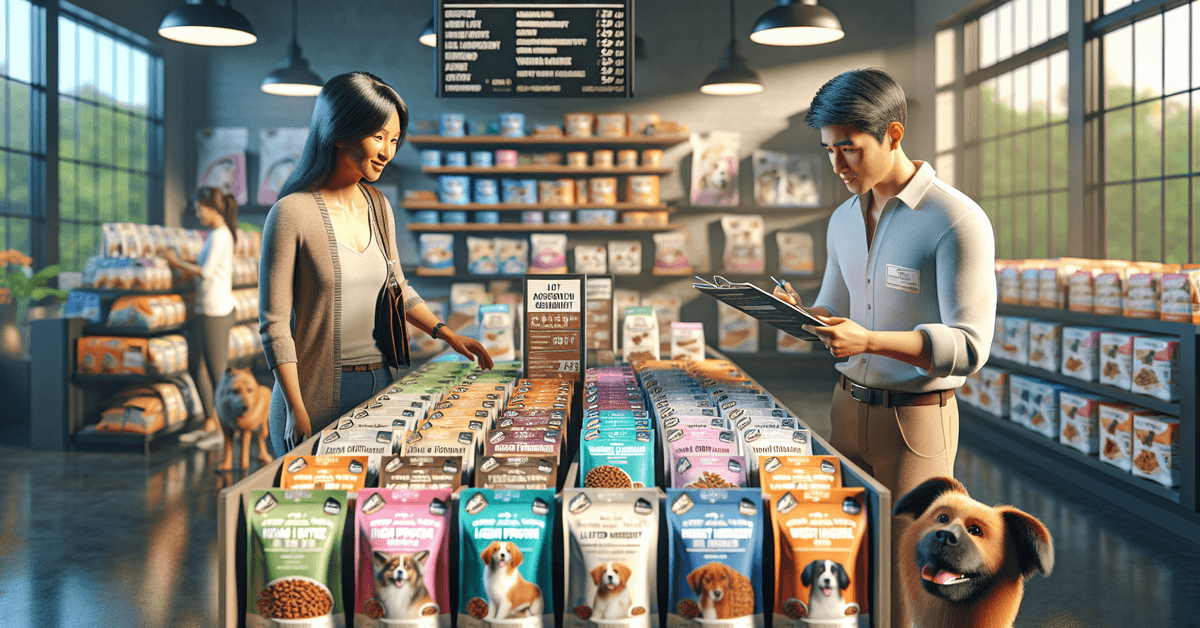
Larger pet supply stores occasionally host events where sample kits are distributed. Staff often have info about in-store trial packs or brands that allow a no-obligation sample pickup.
For indie shops, stocking samples may depend on the latest distributor deals, so asking directly could reveal hidden offers you wouldn’t find through an internet search.
How to Request Free Dog Food Samples Effectively?
There isn’t a single method that works everywhere, but some approaches increase your odds of getting worthwhile samples.
In-person or online requests both have pros and cons, and sometimes patience is required. After all, free resources are in limited supply.
Online Request Processes
Most official sample forms require basic information: name, address, dog breed or age, and an email. While it’s often tempting to sign up for every sample imaginable, consider your actual needs.
Some brands limit how often people can request samples, and supplying honest information helps the process stay fair for all.
In-Store Conversations
Talking with staff at local shops or larger chains can uncover sample options not listed online. Sometimes, mentioning your interest in trying a special diet triggers a helpful conversation—or even a staff member’s personal story of what worked for their pet. This kind of human connection, though unpredictable, can be surprisingly effective.
Leveraging Community Resources
Dog owner forums, neighborhood pet groups, and social media pages sometimes announce limited-time sample offers.
Checking in with local organizations, especially rescues or animal welfare charities, may turn up leads on sample programs available through their partners.
What to Look for in Special Dog Food Kits?
Testing food is about more than flavor. Most sample packs come with serving suggestions, handling instructions, and lists of ingredients. For pets with restrictions or sensitivities, comparison is important.
If you’re unsure how to interpret food labels, don’t feel bad—many owners puzzle over ingredient lists or health claims.
Read Labels Carefully
Identify ingredients commonly problematic for your dog. Common triggers are corn, soy, certain preservatives, or fillers.
Clear instructions on portion sizes might offer hints about how the manufacturer approaches pet health.
Assess Nutritional Claims
Check for statements like ‘grain-free’, ‘vet-recommended’, or ‘formulated for allergies.’ Sometimes, claims are vague.
When in doubt, follow up with customer support or your veterinarian. Nobody expects you to be a nutrition expert, but cautious curiosity usually pays off.
Common Types of Special Dog Food Kits Offered
Special dog food samples cater to a range of dietary needs. These kits aren’t all the same—some brands ship single-serve packs, others might provide mixed sample boxes with several formulas inside.
- Grain-free recipes
- High-protein diets
- Limited ingredient formulas
- Digestive care blends
- Weight management options
- Age-specific solutions (puppy or senior kits)
Maximizing the Value of Free Dog Food Samples
The process of testing dog food should be as stress-free as possible. There’s a temptation to rush into a new diet, particularly when a sample is in hand.
Slow, careful introduction can reveal how your dog truly responds—sometimes it’s about more than getting through dinner without fuss.
Introduce New Food Gradually
Mix the sample food with your pet’s usual diet over several days. Watch for changes in appetite, energy, and, yes, their digestion.
Even minor signs like enthusiasm at mealtime or a shinier coat can be clues that you’ve hit on a winner.
Track Your Dog’s Response
Keep notes—mental or otherwise—on any reactions, positive or negative. For allergies or sensitivities, results sometimes show up slowly, so don’t rush to judgment after a single feeding.
Comparing experiences across different samples may reveal subtle but important preferences or issues.
Are There Risks in Free Sample Programs?
While requesting samples is a low-risk way to explore options, not every program is the same. Reliable brands fulfill requests promptly and send products in safe, labeled packaging.
Less reputable sources could mix marketing with unclear terms, or request excessive personal info. If a website asks for payment details up front for a ‘free’ sample, caution is wise.
Staying Safe Online
It’s important to stick to well-known brands or trusted pet resources. Avoid sharing sensitive details, like credit card numbers, for sample kits.
A basic guideline: if it feels off, perhaps it’s better to skip it and move on to a reputable alternative.
Respecting Terms and Privacy
Read the sample offer’s fine print. Some brands might use your data to send follow-up promotions, while others simply fulfill your request. Consider using a dedicated email address for sample signups to keep your primary inbox organized.
Legal and Ethical Considerations
Sampling programs should comply with local laws on food safety and privacy. Larger companies usually have robust policies in place.
If you’re ever unsure about a brand’s credentials or approach, seeking out reviews or asking your vet can offer extra peace of mind.
Don’t Rely Solely on Samples
It’s tempting to think you can keep feeding your pet from free kits alone. Realistically, regular purchases will still be necessary.
Samples are an educational tool—an opportunity to compare and learn—not a replacement for steady nutrition planning.
Popular Brands That Offer Free Dog Food Kits
Some companies are better known for generous sampling policies or more specialized options. A few, such as Royal Canin and Nutro, have periodic promotions aimed at new customers.
Others, like smaller boutique brands, may only offer samples through select retailers or during certain events.
Larger Brands (Depending on Region)
- Royal Canin
- Blue Buffalo
- Hill’s Science Diet
- Purina Pro Plan
- Nutro
- Acana
Each brand varies their sample offerings by region and time of year. It’s helpful to check directly with their websites for current programs.
No need to stress if a sample isn’t available in your area—alternatives often show up sooner or later.
FAQs: All About Free Dog Food Sample Requests
Can anyone request free special dog food samples?
Most brands open their sampling programs to adults with a valid address. Occasionally, certain offers are limited to specific regions or new customers only.
Are there limits on how often samples can be requested?
Many companies restrict sample requests to one per household or pet. Reading the program terms before signing up helps avoid disappointment.
How long does a sample take to arrive?
Shipping times vary—generally, 2 to 6 weeks is typical. Some programs may pause fulfillment during high demand periods, so patience can help manage expectations.
Tips for Requesting Free Dog Food Samples
- Check official brand websites for sample forms and promotions.
- Ask vets and pet stores about available trial packs.
- Request only samples that match your dog’s real dietary needs.
- Read ingredients and feeding instructions before testing.
- Introduce each sample gradually and monitor your dog’s response.
Final Thoughts
Free dog food samples can help you test new options without wasting money on full-size bags. They are especially useful when your dog has allergies, digestion issues, or strong food preferences.
The safest approach is to use trusted sources and pay close attention to ingredients and reactions. With a careful routine, sample programs can make it easier to choose the right food for your dog.