Skin cancer screening (exame gratuito de pele) helps detect problems early, when treatment is most effective.
In Brazil, many SUS (Sistema Único de Saúde) clinics and national campaigns offer free screening programs to make this care available to everyone.


You’ll learn how to find these services, register safely, and take the first step toward protecting your skin health.
Understanding Skin Cancer Screening
A skin cancer screening (exame dermatológico preventivo) helps identify unusual spots or moles before they become dangerous.
During the exam, a dermatologist visually inspects your skin and may use a dermatoscópio for precision.
Regular check-ups are especially important if you have fair skin, frequent sun exposure, or a family history of skin cancer.
Eligibility and Required Documents
Before attending a free screening through SUS, check if you meet the requirements and prepare your documents.
The process is simple and aims to reach those who need it most. You’ll usually need:
- Eligibility: Open to anyone using the public health system (SUS), especially those without private health insurance.
- ID or CPF: Proof of identity for registration at the clinic.
- SUS Card (Cartão do SUS): Required to access public health services.
- Health Records: Bring medical reports or prescriptions if you’ve had prior skin conditions.
- Appointment Proof: Printed or digital confirmation if booked online or via phone.
Where to Find Free Skin Cancer Screenings
You can easily find exames gratuitos de pele through SUS clinics and public health campaigns.
Many institutions provide these services throughout the year. Here are some common options:
- UBS (Unidades Básicas de Saúde): Local health centers offer screenings with dermatologists or general practitioners.
- Public Hospitals: State and municipal hospitals conduct dermatology consultations through SUS.
- Ministério da Saúde Campaigns: Dezembro Laranja, led by SBD, offers free exams and promotes skin cancer awareness nationwide.
- Universities: Medical schools often hold free community events supervised by dermatology residents.
- Charitable Organizations: Hospital de Amor and INCA run free screening programs and promote public education.
How to Apply or Register for Free Screenings
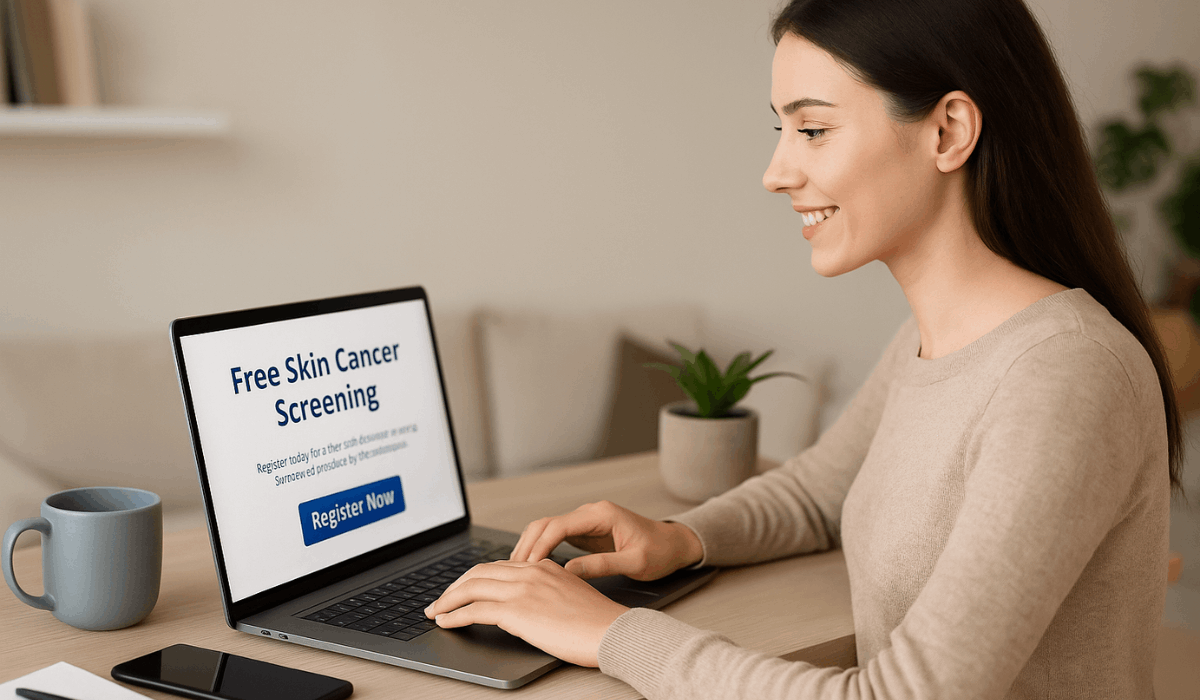
Booking a skin cancer screening in Brazil is quick and simple. Most programs allow you to register online, by phone, or directly at your local clinic. Here’s how:
- Through SUS: Visit your nearest UBS and request an appointment with a dermatologist (consulta com dermatologista).
- Online or by Phone: Some state health departments let you schedule exams through their official websites or phone hotlines.
- Public Events: During Dezembro Laranja, many cities offer walk-in exams at hospitals and shopping centers.
- Community Health Fairs: Check local health campaigns (mutirões de saúde) promoted by your municipality.
Using Telehealth and Mobile Apps
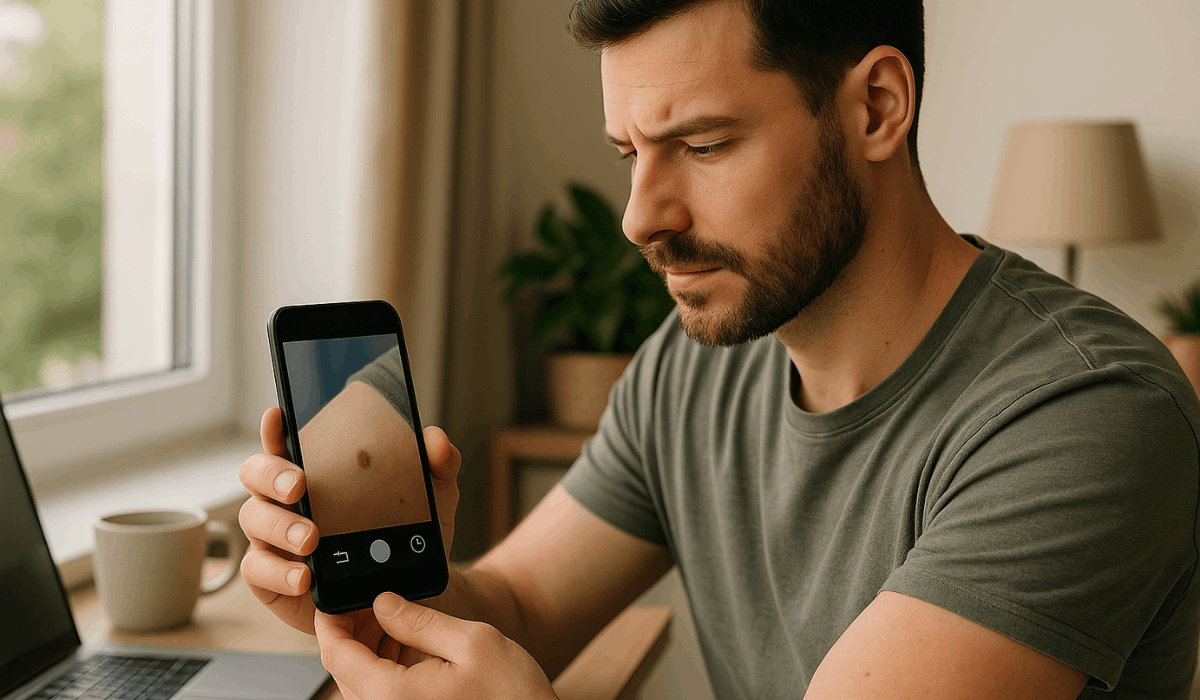
Teledermatology makes it easier to detect skin changes without leaving home. You can send photos to specialists for evaluation through secure apps or SUS platforms.
- SUS Digital Platforms: Many states use apps like Meu SUS Digital or Conecte SUS for scheduling and follow-ups.
- Teledermatology Projects: Public hospitals in São Paulo, Bahia, and Paraná offer virtual dermatology consultations.
- Health Apps: Tools like Dermato Virtual and SkinVision Brasil offer free or low-cost risk assessments.
- Data Safety: Always verify app credibility and confirm that your photos are stored securely.
Government and Charity Programs
In Brazil, several government and nonprofit initiatives provide free skin cancer screenings and education:
- Sociedade Brasileira de Dermatologia (SBD): Leads the Dezembro Laranja campaign every year with nationwide screenings.
- Instituto Nacional de Câncer (INCA): Promotes prevention and early detection through its Programa Nacional de Controle do Câncer de Pele.
- Hospital de Amor (Barretos): Operates mobile cancer screening units across rural areas.
- Secretarias Estaduais de Saúde: State health departments regularly organize public screening drives (campanhas de prevenção).
- ONGs and Charities: Nonprofit groups support awareness campaigns and free check-ups for underserved communities.
Prevention and Education Campaigns
Public education helps reduce skin cancer rates by promoting sun safety and self-examination. These initiatives are key to prevention:
- Dezembro Laranja: Promoted by SBD, it raises national awareness about sun exposure risks.
- School Campaigns: Teach children to use sunscreen (protetor solar) and avoid excessive sunlight.
- Community Talks: Local clinics and churches host educational talks on early detection.
- Online Resources: The Ministério da Saúde website provides free guides and prevention materials.
How to Participate in National Skin Cancer Campaigns
Joining national skin cancer campaigns is one of the easiest ways to get a free screening and learn about prevention.
In Brazil, programs like Dezembro Laranja and local mutirões de saúde (health drives) bring dermatologists directly to communities. Here’s how you can participate:
- Check Official Announcements: Follow SBD and the Ministério da Saúde for campaign dates and locations.
- Visit Public Screening Sites: During events like Dezembro Laranja, free exams are offered at hospitals, shopping centers, and beaches.
- Register On-Site: Most campaigns allow walk-in registration—just bring your ID or Cartão do SUS.
- Volunteer or Share Information: Help raise awareness by sharing official posts or assisting in local health fairs.
- Stay Informed Year-Round: Subscribe to newsletters or follow social media pages for updates on upcoming campaigns.
Privacy and Data Protection
Protecting your personal health data is essential when registering online or using mobile apps. Follow these key steps:
- Use only official SUS and hospital websites for registration.
- Avoid sharing unnecessary personal data.
- Connect only through secure, password-protected Wi-Fi.
- Regularly review app permissions and privacy settings.
- Ignore suspicious messages requesting medical information.
Tips Before and After Your Screening
Preparing for your appointment helps ensure accurate results. Here are some practical tips:
Before the Exam:
- Avoid makeup, perfume, or lotion.
- List any new or changing moles.
- Bring your Cartão do SUS and previous medical reports.
- Wear loose clothing for easy access.
After the Exam:
- Ask for a copy of your report and follow-up instructions.
- Schedule your next check-up based on your doctor’s advice.
- Protect your skin daily with sunscreen (FPS 30 or higher) and seek shade between 10 a.m. and 4 p.m.
Follow-Up and Treatment After Diagnosis
After your skin cancer screening, follow-up care is vital if any issues are found.
Through SUS, diagnosis, treatment, and monitoring are provided free across Brazil. Here’s how the process works:
- Medical Evaluation: If a suspicious spot is detected, you’ll be referred to a dermatologist or oncologist for further analysis.
- Biopsy: The doctor may request a biopsy to confirm whether the lesion is cancerous.
- Treatment Options: Depending on the diagnosis, treatment may include minor surgery, cryotherapy, or medication, all available through SUS.
- Referral to Specialized Centers: Cases requiring advanced care are referred to INCA or state oncology hospitals.
- Regular Monitoring: After treatment, patients receive periodic check-ups to prevent recurrence and track recovery.
To Wrap Up
Early detection through free skin cancer screenings can save lives and improve treatment outcomes.
Scheduling an exame gratuito de pele is a simple and responsible step toward prevention.
Act today—visit your nearest UBS or check the Ministério da Saúde website to schedule your screening and protect your skin.