If you are looking for a practical roadmap on how to apply for government childcare assistance in Brazil, this 2025 guide brings the key programs, rules, and steps into one place.
You will see how public daycare enrollment works, where cash support fits for families with young children, and which complementary services strengthen early childhood care.
By the end, you will know what to ask for, where to go, and how to keep benefits active throughout the year.
What Is the Government Childcare Assistance Program in Brazil?
Brazil’s childcare support sits on three pillars that work together rather than a single nationwide voucher.
Municipal education networks provide free early childhood education in public creches for ages zero to three and pre-school for ages four and five as a legal duty of the State.
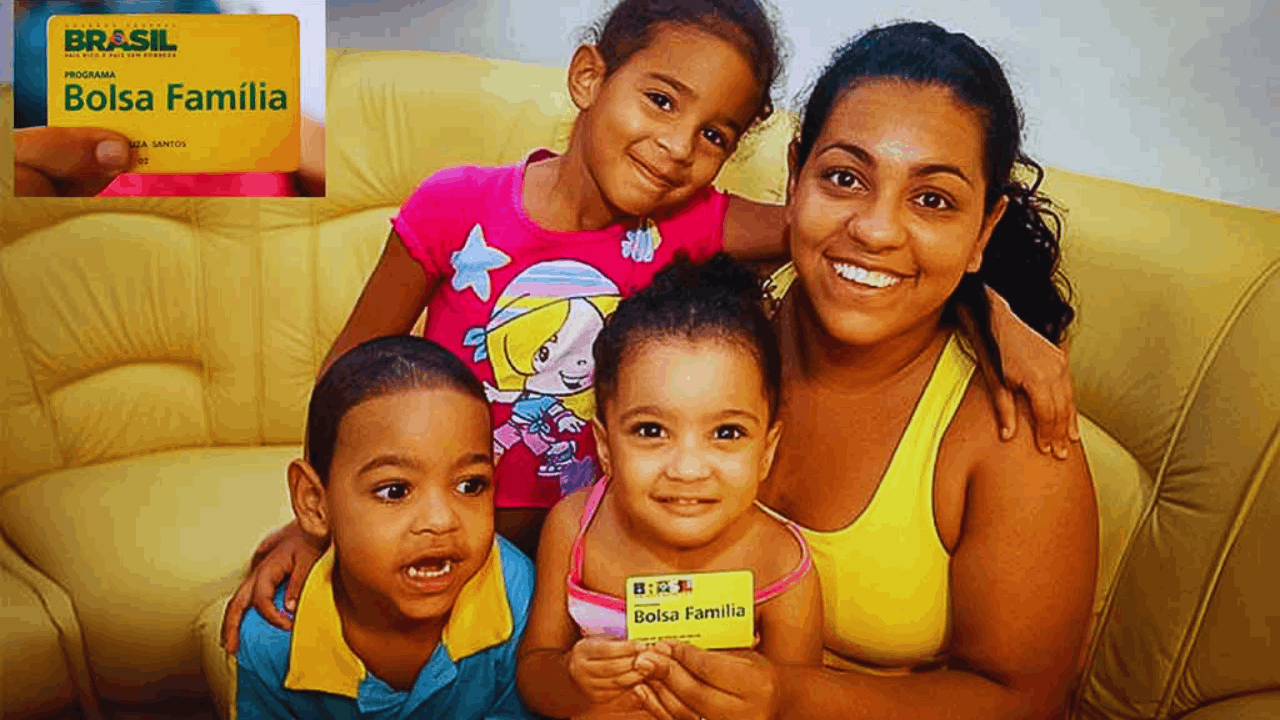
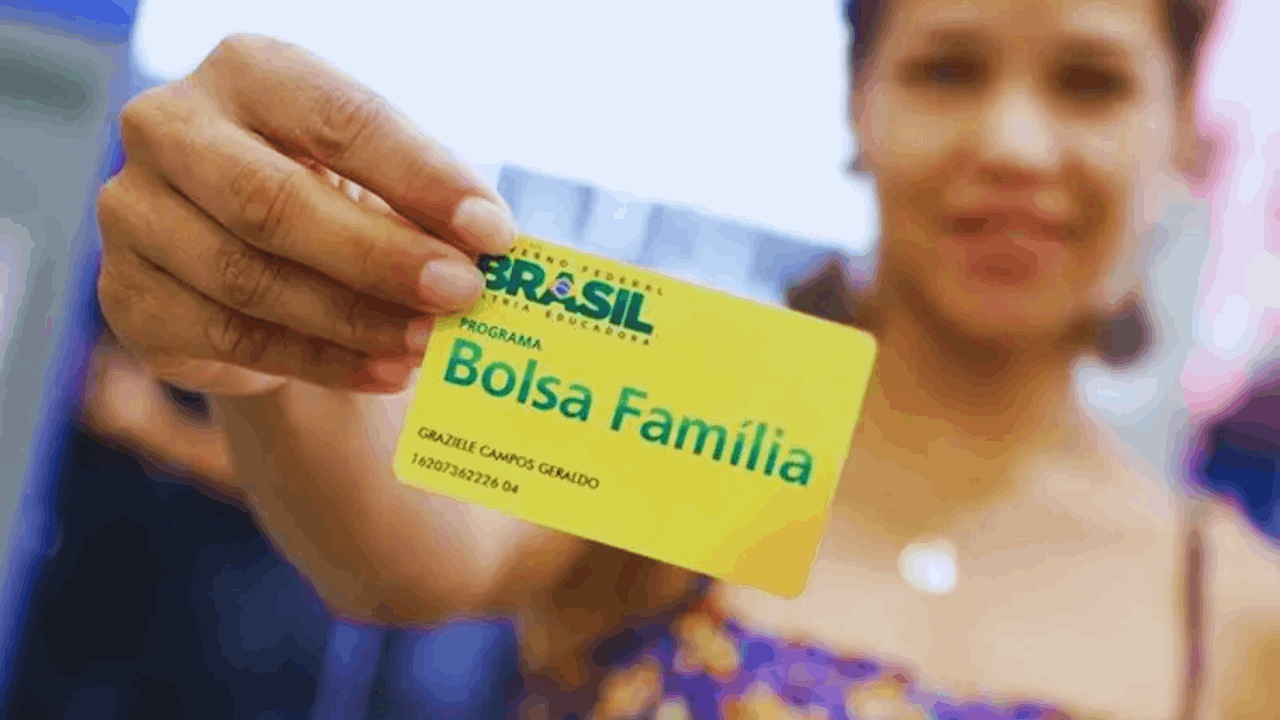
The federal Bolsa Família program adds targeted cash to households with children, including an extra amount for the first years of life, while conditionalities reinforce school attendance and health follow-up.
A federal home-visiting service called Criança Feliz complements both by guiding families on care, nutrition, and development during the early years.
How These Pillars Work Together Day to Day
Your municipality provides the creche or pre-school seat and covers the education and care component during part-time or full-time hours. Bolsa Família deposits are paid monthly to eligible low-income families and add a larger amount for each child in early childhood, which helps with household costs connected to care.
Criança Feliz does not pay cash but sends trained visitors to your home with activities and referrals that strengthen development and access to public services.
When combined, families get a place at school, income support tied to children’s needs, and coaching that improves outcomes in the first years.
Benefits You Can Receive Through Public Programs
The most visible support is a free seat in creche or pre-school as part of Educação Infantil, which the Constitution and the Child and Adolescent Statute treat as a fundamental right.
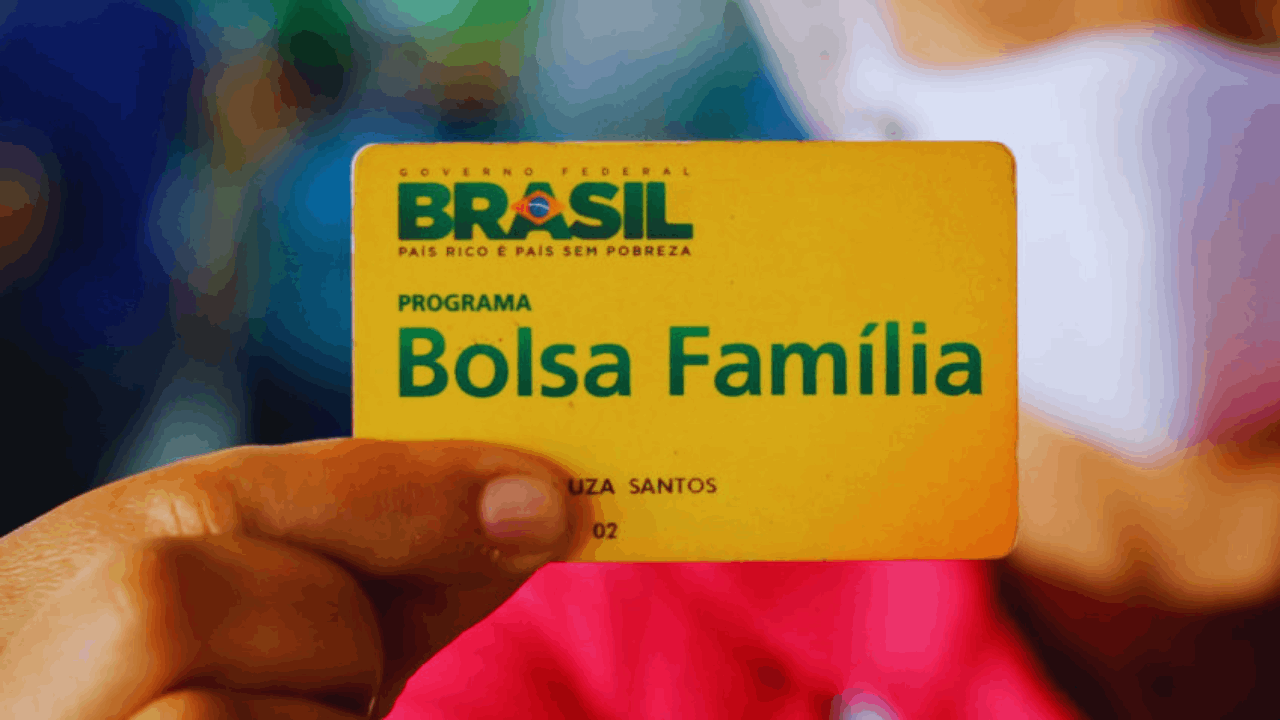
Families that qualify for Bolsa Família receive a base amount plus additions per family member and a specific early-childhood add-on per eligible child, with values defined by federal rules.
Children must meet school attendance and vaccination requirements to strengthen both education and health during the early years.
In parallel, Criança Feliz delivers structured home visits that coach caregivers and track milestones across thousands of municipalities.
Current Highlights for Early Childhood in Bolsa Família
The program’s official materials confirm a per-child early childhood amount for families with children from zero up to seven years incomplete, paid alongside the standard family entitlement.
The benefit design also includes amounts for older children, pregnant people, and a complementary payment to ensure a guaranteed minimum per family when applicable.
Compliance asks for attendance at pre-school for children four and five, minimum attendance for students six to 18, up-to-date vaccines, nutritional monitoring, and prenatal care. These rules align transfers with essential public services and keep your family on track after approval.
Why You Should Consider Applying Now
Public creches reduce out-of-pocket spending on care and open time for work or job search, which improves family income over the medium term.
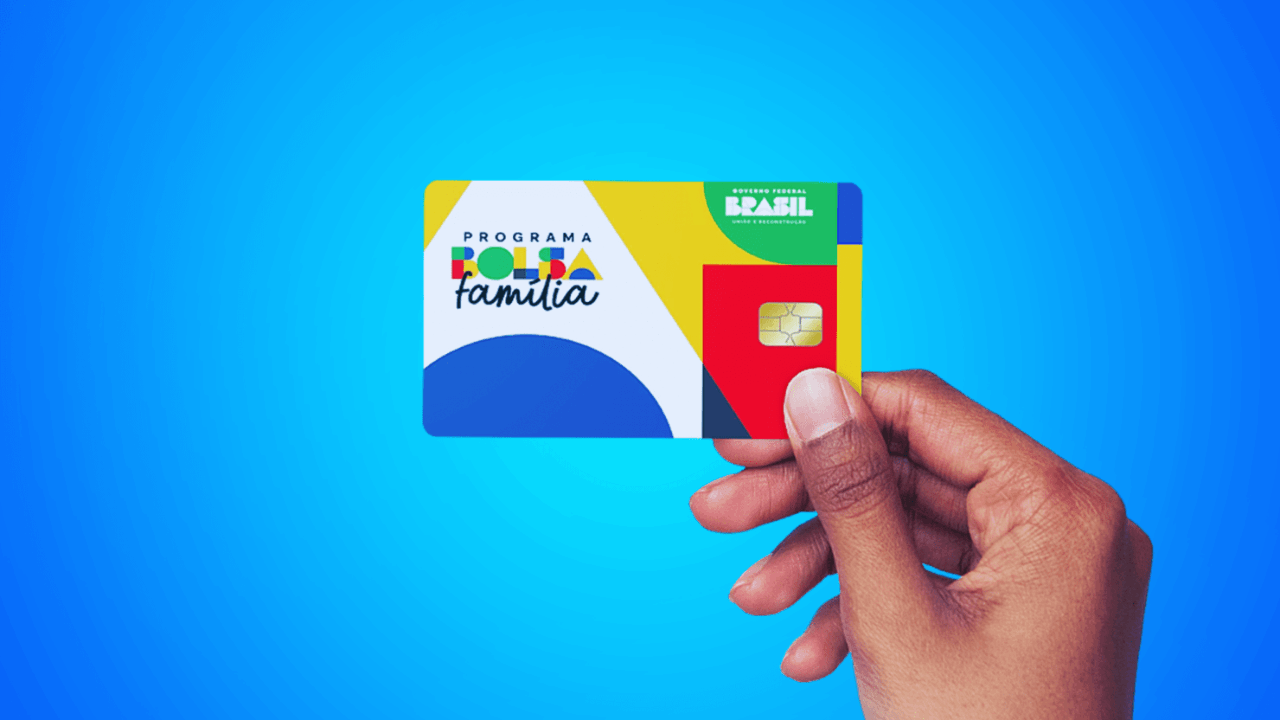
Bolsa Família’s early childhood add-on increases monthly resources precisely when children need more food, hygiene items, and transport to services.
Criança Feliz adds practical guidance that many families miss, turning routine visits into better nutrition, safer homes, and faster referrals when issues appear.
Together, these supports create a more stable environment for child development and lighten the financial load on caregivers.
Legal Backing and Recent Clarifications
Brazil’s Supreme Court has reaffirmed access to creche as a fundamental right that can be demanded individually when the State fails to offer a seat.
The Ministry of Education also stresses that Educação Infantil is a universal right untied to a parent’s employment status, so applicants do not need to prove formal work to request a place.
For Bolsa Família, the federal government periodically updates protection rules and income thresholds to preserve support during temporary income changes. Knowing these safeguards helps families plan and appeal when necessary.
Who Qualifies and What You Need to Prepare
For a creche or pre-school seat, the municipality manages enrollment and prioritization, and families submit civil identification and address information per local rules.
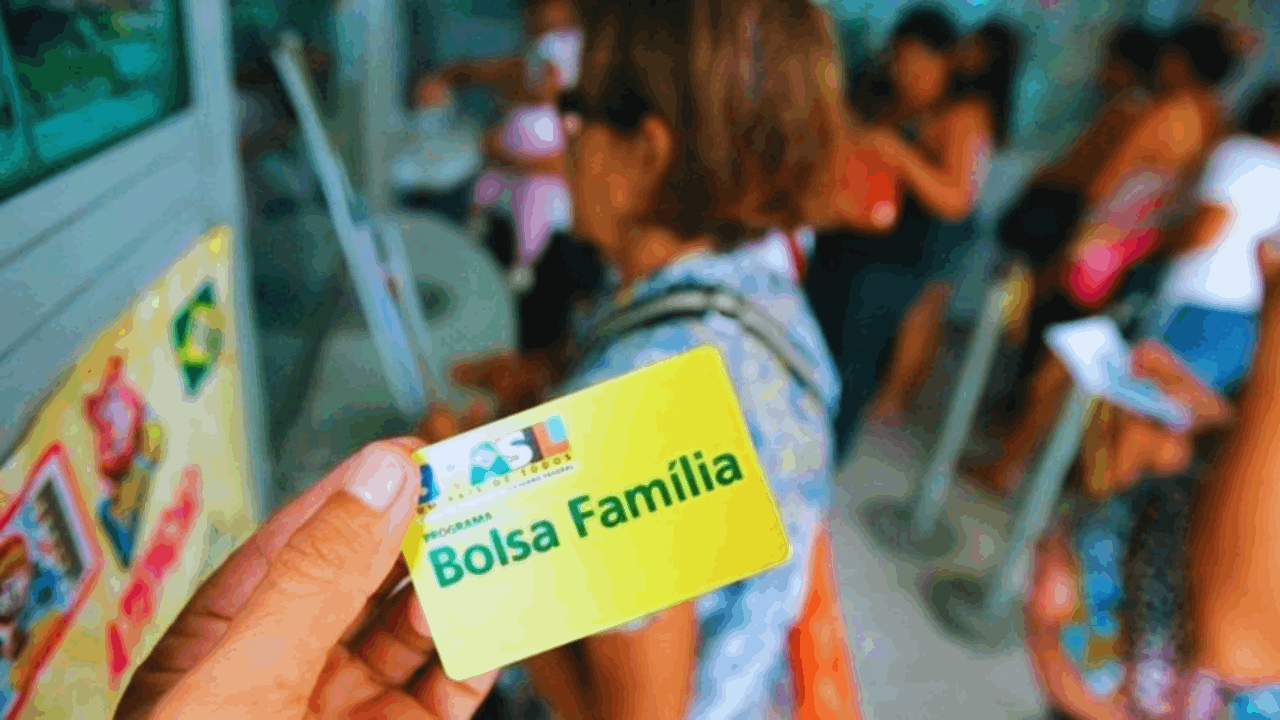
For Bolsa Família, the headline rule is per-capita household income of up to R$218 per month, with registration in the national Cadastro Único as the gateway to analysis.
The Cadastro Único is a federal registry for low-income families, collected in person at municipal posts or CRAS units, and it anchors eligibility across dozens of programs.
For Criança Feliz, municipalities select and enroll families, often prioritizing Bolsa Família households with pregnant people or children up to six.
Documents and Information Typically Requested
Cadastro Único requires a responsible family member to attend the local post with CPF or voter ID and to provide identification and basic data for all household members.
The government recommends bringing RG, birth or marriage certificates, residence proof, school enrollment evidence for minors, and work or income information to speed the process.
Keeping records current is essential because benefit maintenance depends on updated household composition, address, and income. If you move or your family changes, update the registry promptly to avoid payment holds.
How to Apply for a Public Creche or Pre-School Seat
Start with your Secretaria Municipal de Educação or the education portal of your city, where you can pre-register, upload documents if available, and learn the calendar for allocation.
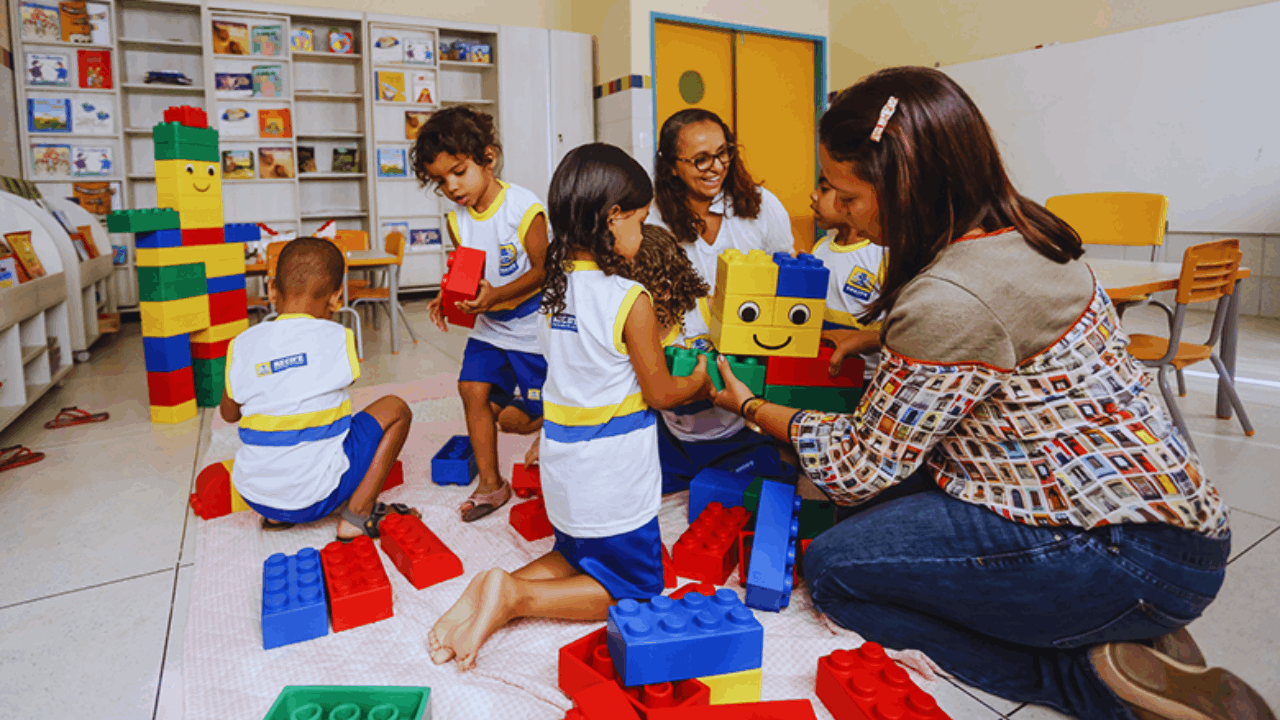
Many cities use a unified queue and require periodic confirmation, so check status often and keep your contact details active.
If your application is denied or delayed unreasonably, you can request review and, if needed, seek legal assistance since access to Educação Infantil is a recognized right.
Once a seat is offered, complete school enrollment within the deadline to avoid losing the placement.
Keeping the Seat and Meeting Daily Requirements
After enrollment, follow the school’s attendance policy and communicate when a child is ill to preserve the record.
Use health checkups and vaccination campaigns to maintain compliance with national schedules, which also support Bolsa Família conditions for eligible ages.
Engage with teachers and the school’s early childhood staff so you understand routines, nutrition, and development activities offered during the year. Consistent participation keeps your child learning and your place secure in the municipal network.
How to Apply for Bolsa Família With Young Children
Go to a CRAS or Cadastro Único service point in your city and register your family with all household members and income details. After registration, the Ministry of Social
Development analyzes eligibility and, if approved, activates payments with the early childhood amount for children under the age limit alongside the base benefit.
To keep receiving, meet the education and health conditions, and keep your Cadastro Único updated whenever household composition or income changes.
If your income rises temporarily above the threshold, federal protection rules may allow reduced payments for a defined period before full suspension.
Practical Tips to Avoid Processing Delays
Verify names, dates of birth, and CPFs exactly as they appear on official documents so your registry does not flag inconsistencies.
Bring school proofs for children and prenatal information for pregnant people when available, which helps link conditionalities without extra visits.
Save your protocol numbers and ask when to return for updates, since some cities set specific windows for revalidation. If you change address or phone, update the record immediately so scheduling and notices reach you.
How to Access Criança Feliz in Your Municipality
Ask at your CRAS whether your city participates in Criança Feliz and whether your family profile is prioritized for home visiting.
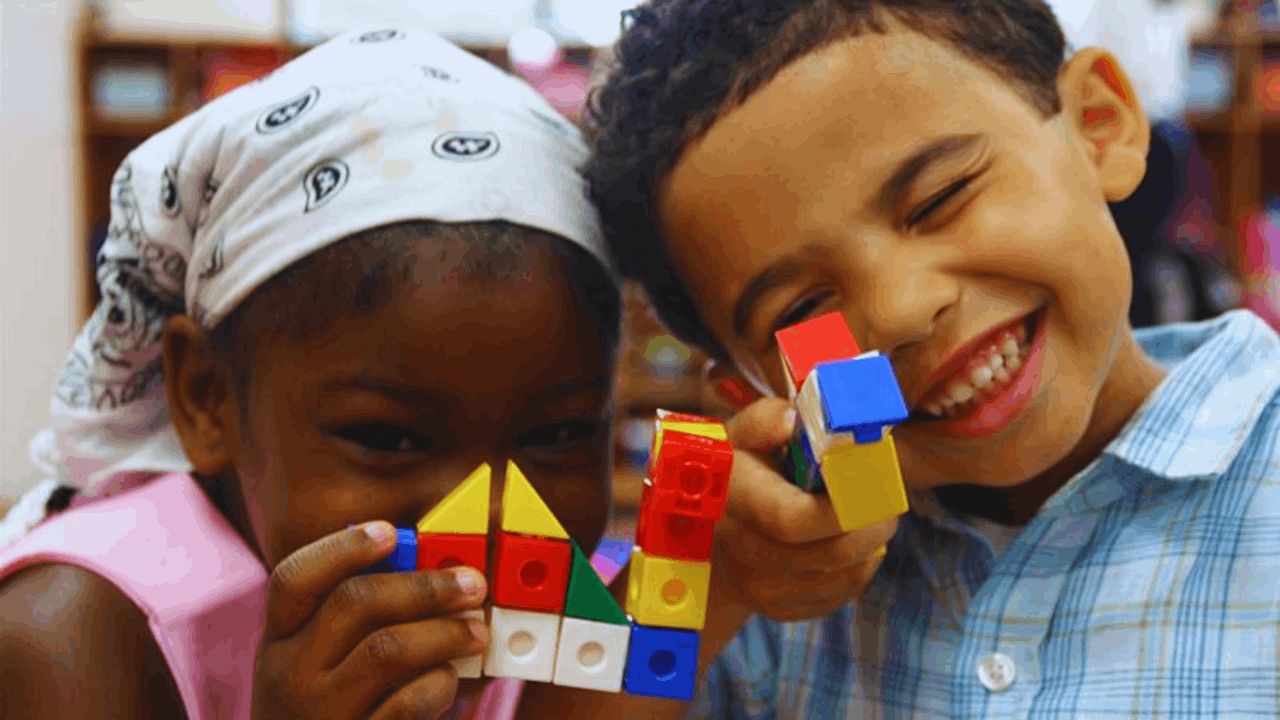
If selected, a trained visitor will schedule regular sessions at your home with play-based activities, guidance on nutrition and safety, and referrals to public services when needed.
Participation is free and designed to coexist with creche or pre-school attendance and Bolsa Família conditionalities.
Over time, the program strengthens parenting skills and improves child development indicators in the first years.
What Visits Look Like and Why They Matter
Home visits follow technical protocols that assess needs, encourage positive caregiver-child interaction, and link families to health and social services when gaps appear.
The approach aims to prevent delays, protect against risks, and promote integral development from pregnancy through early childhood.
Visitors adjust session content to your context, making each visit practical and culturally appropriate. Families often report better routines, more responsive care, and faster access to services after joining.
Conclusion
You came to learn how to apply for government childcare assistance in Brazil, and now you have a clear route across education, income support, and early-childhood guidance.
With these steps, you can secure daily care, strengthen your household budget, and support your child’s development from the very first years.