Pet owners who care deeply about their animal companions are always looking for the best nutrition options available.
For those considering prescription diets, it’s not just about finding quality food—it’s also about making sure the pet accepts and benefits from it.


Royal Canin, a leading name in veterinary diets, offers a variety of specialized pet foods formulated to address specific health needs.
Some people may be interested to know that, in certain situations, it’s possible to access Royal Canin vet diet samples for free.
For anyone wondering about the process or benefits, this article delves into how sampling works, who it’s for, and the factors to think about before trying new pet foods.
Why Try Royal Canin Veterinary Diet Samples?
Caring for a pet with health challenges can sometimes be overwhelming. Choosing a vet diet typically follows a lengthy consultation with a trusted veterinarian.
Even after that, owners often still have questions. Trying a small amount of specialized food can offer certain advantages—some obvious, others less so.
Besides, switching diets isn’t always easy, and even the most dedicated pet might feel unsure about a sudden change in taste or texture.
Evaluating Pet Acceptance and Palatability
Free samples serve an important function: they let pets test the food before a full commitment. Pets can be picky—sometimes surprisingly so.
Acceptance is not guaranteed, even with reputable brands. Observing how a cat or dog reacts to a sample can be enlightening. Sometimes it takes a few attempts before a pet really adjusts to something entirely new.
Testing Digestive Response
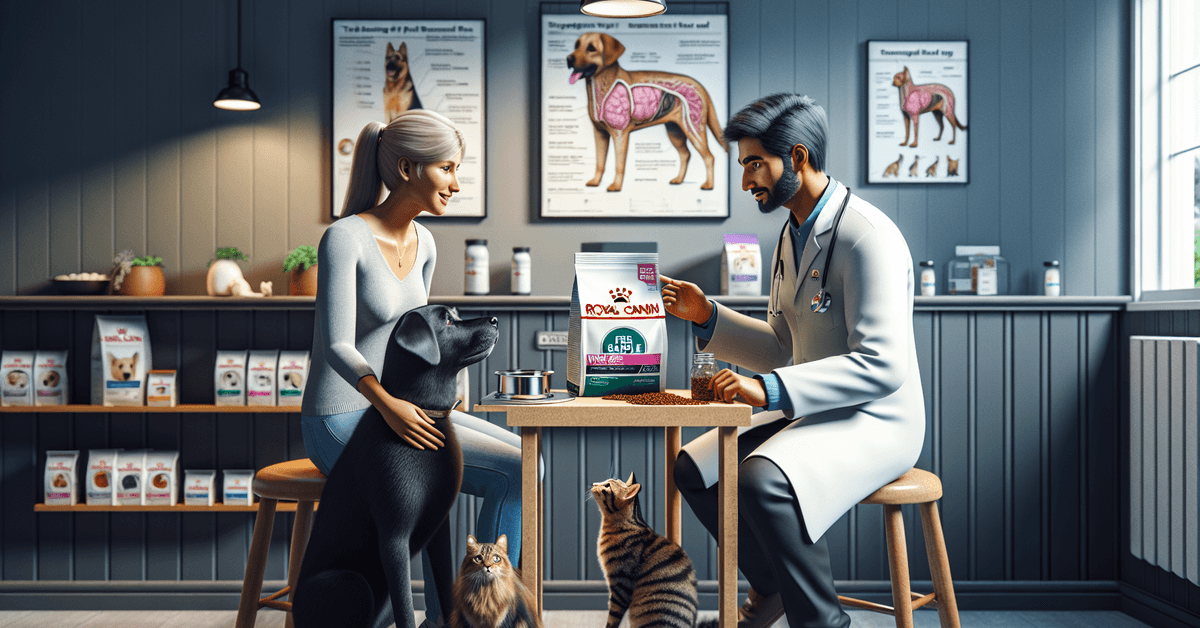
New diets—particularly those designed for sensitive systems—may affect pets differently. A sample lets owners watch for early signs of tolerance or improvement with less risk of waste.
Some people find that even a few days of trial can reveal a lot about potential benefits or side effects.
Understanding the Nutritional Benefits
Royal Canin’s formulas are created for specific health conditions, such as kidney disease, allergies, or digestive issues.
Sampling these diets allows pet lovers to see—albeit briefly—how their pets might respond nutritionally. However, it’s important to realize that short-term trials only offer limited insight into long-term effects.
How to Access Free Royal Canin Vet Diet Samples
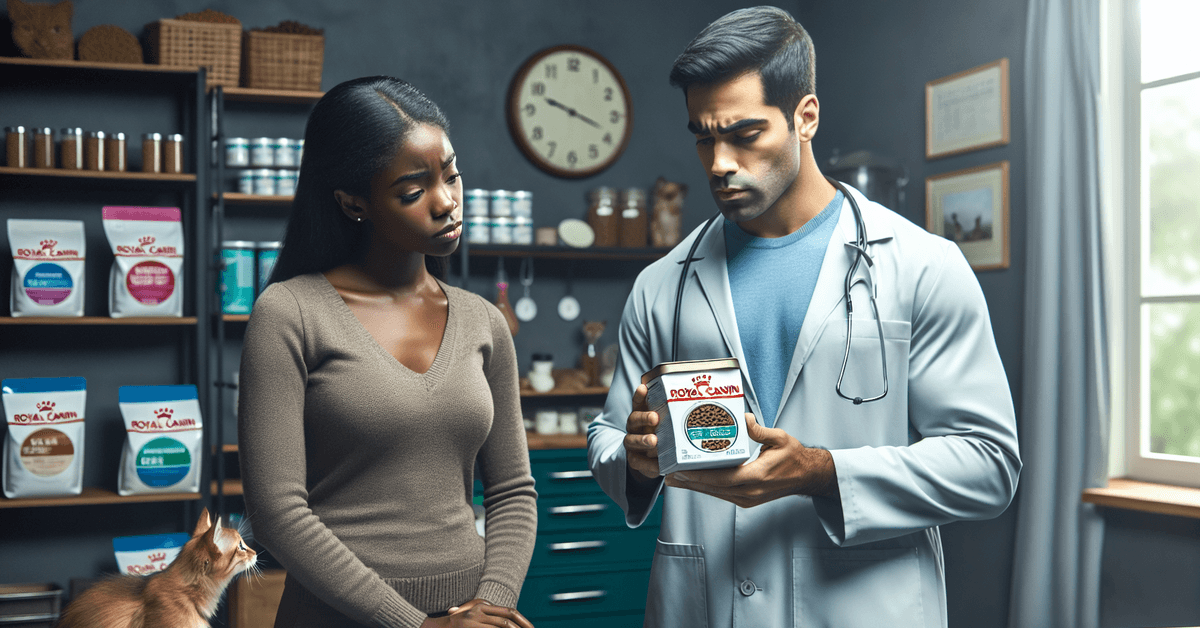
Some may wonder if free samples are widely available. The answer is: it depends. Royal Canin generally works closely with veterinarians to distribute their clinical nutrition products.
That means most free sample opportunities are coordinated through vet clinics or authorized partners. Occasionally, new product launches or special campaigns may broaden access for a limited time.
If eligibility matches, it might be possible to participate without needing to purchase a full bag right away.
Veterinary Recommendations and Eligibility
Usually, veterinarians are central to the process. They help assess whether a specific clinical diet fits the pet’s needs.
If so, they may have access to samples—especially when a dietary change has therapeutic intent.
Owners who maintain regular contact with their vet are typically more likely to hear about these opportunities.
Participating in Pilot or Promotional Programs
From time to time, Royal Canin collaborates with veterinary clinics to provide product trials or sample events. These occasions are generally geared toward pets with newly diagnosed conditions.
Sometimes, national or regional campaigns might allow a broader range of applications. Not every clinic participates every year, and availability can vary by region or product type.
Online Sample Requests
While it’s less common than in-clinic sample provision, there have been limited-time digital campaigns allowing owners to request vet diet samples directly from Royal Canin’s official website.
These events are typically rare and often require proof of diagnosis or a vet reference. Cautious owners should always verify any web-based offers are legitimate and originate directly from royalcanin.com or a veterinarian.
Who Benefits Most from Trying Veterinary Diet Samples?
The idea of sampling is appealing, but not every pet—or owner—needs to participate. Veterinary diets are primarily intended for animals with specific health conditions, not as general-purpose meals for healthy pets.
That’s probably one of the most frequently overlooked points. People sometimes forget clinical nutrition is a form of therapy, not just premium feeding.
Picky Eaters or Sensitive Pets
Cats and dogs who hesitate with new foods or who’ve previously refused special diets may benefit the most.
A test period allows for gradual introduction, reducing stress and increasing chances of successful transition. For those whose pets rarely show interest in anything new, even a small sample can offer hope.
Pets with Recent Diagnoses
When a health diagnosis changes everything, the pressure to “get the food right” can feel immense. In these cases, a sample might provide peace of mind before investing in a long-term dietary supply. For first-time users of therapeutic diets, this can make a significant difference.
Owners Considering a Switch
Sometimes a recommended diet just isn’t working out, despite everyone’s best intentions. That’s when a sample from a different formula—or even a competing brand—might offer a fresh perspective. It’s not about loyalty to Royal Canin, necessarily. The most important thing is the pet’s wellbeing.
The Sampling Process: What to Expect
Obtaining and using a vet diet sample is usually straightforward, although procedures might differ from clinic to clinic. Here’s what might happen in a typical case:
- A veterinarian recommends a specific Royal Canin Veterinary Diet, based on diagnosis or health assessment.
- The clinic checks on sample availability—occasionally, samples aren’t on hand for every formula.
- If a sample is available, the owner receives a small package (sometimes enough for a few days).
- Instructions may be included, covering gradual transition tips and signs to watch for.
- Follow-up with the vet usually completes the process, to review reactions or make further suggestions.
At home, the pet’s acceptance of the food is observed. Some people introduce the sample alongside the current food, mixing small amounts at first.
How the pet adjusts can be as important as nutritional content—behavioral cues can tell more than a label ever will.
Key Considerations Before Trying Veterinary Diet Samples
Sampling pet food is generally safe, but a few points are worth serious thought. Royal Canin Veterinary Diets are potent and tailored for specific health situations. Some owners debate whether even a short dietary change might disrupt a delicate balance.
Consulting with a Trusted Veterinarian
This step is always important, perhaps even critical when switching or testing specialty diets. Medical oversight helps minimize risk.
Besides, veterinarians have access to a full health profile, which is almost always a factor in dietary choices.
Monitoring for Allergic Reactions or Sensitivities
Though rare, some pets show allergies even with high-quality diets. Owners who know their pets’ triggers or previous reactions should share this with the clinic in advance. Initial sampling should be watched carefully for any unexpected symptoms.
Transition Period
Gradual introduction tends to help pets adjust physically and emotionally. Rapid swaps can sometimes backfire, even when switching within the same brand. Ideally, samples are mixed slowly with existing food over several days.
Understanding Longer-Term Needs
Some people hope that a positive response to a free sample means all future challenges are solved. It’s rarely that simple. True health improvements from vet diets often require weeks or months to manifest.
Samples are informative but never definitive, which can be disappointing when fast answers are needed.
Legal and Safety Considerations When Sampling Veterinary Diets
Veterinary diets like those from Royal Canin are subject to regulations that ensure safety and nutritional adequacy.
In many places, these foods require a veterinarian’s approval for sale—especially when used for treating chronic conditions.
Owners are always advised, perhaps repeatedly, to avoid ordering veterinary diets from unknown third parties online, as counterfeit or expired pet foods can pose significant risks.
Every country may approach regulation differently. Most reputable clinics and verified online pharmacies adhere to these standards.
Whenever there is uncertainty about the legitimacy of a source, consulting the veterinarian is typically safest.
Frequently Asked Questions about Royal Canin Vet Diet Samples
- Are free vet diet samples always available? Not always—sample distribution depends on clinic participation and inventory.
- Is a prescription needed for a Royal Canin Veterinary Diet sample? In most cases, a vet’s recommendation is required for clinical formulas.
- Can healthy pets try vet diet samples? Generally, clinical diets are not suggested for healthy pets without a specific need.
- How large are free samples? Typically, samples offer enough food for a few meals or several days, depending on pet size and clinic policy.