Ever wondered how some people seem to have the newest tech accessories even before they’re available in stores?
The world of testing Apple iPhone case prototypes for free might sound exclusive, but actually, programs like these exist for everyday users. For anyone interested in technology, product design, or simply getting hands-on with new gear, prototype testing can be an educational and even rewarding experience.



This guide is aimed at tech enthusiasts, Apple users, bloggers, and anyone who enjoys being ‘in the know’—those who like to explore cutting-edge accessories ahead of their public release.
You'll discover practical insights on prototype testing, eligibility, and what the journey really feels like. There’s a subtle excitement in sharing feedback that could shape the final product on store shelves.
What Does Testing Apple iPhone Case Prototypes Involve?
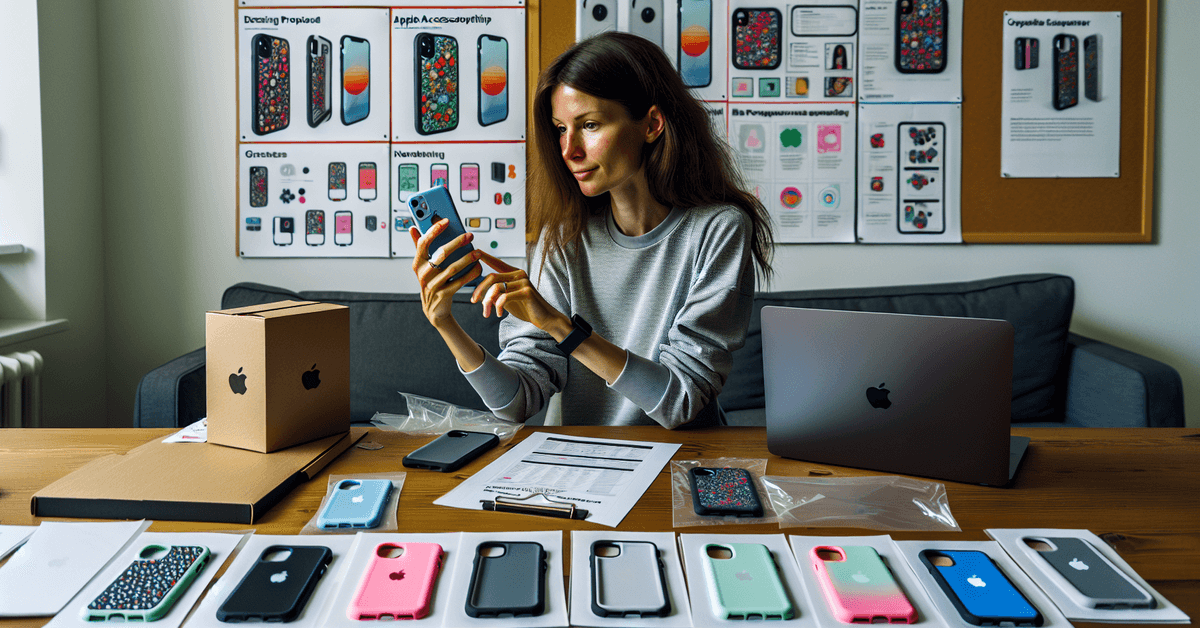
Participating in case prototype testing means receiving early samples—usually before general launch—and using them on your own device.
The process often includes sharing detailed, sometimes even candid, feedback about fit, feel, and functionality. The opportunity isn’t strictly about receiving ‘free stuff’—it’s more about practical collaboration.
Early Access to Innovations
Apple case prototypes are designed to test new materials, features, or manufacturing techniques.
Occasionally, testers notice subtle details: unusual buttons, extra cutouts, or materials that aren't familiar. Not every test sample leads directly to market—some ideas disappear along the way, or prompt more questions than answers.
Your Feedback Matters
The feedback you provide often goes directly to designers and engineers. Participants are encouraged to mention not only likes and dislikes but also report on durability, ease of use, or anything unexpected—maybe a case feels too snug, or the color changes over time.

Not a Paid Gig, But There Are Perks
Most prototype testing is unpaid, though you might be allowed to keep the case, provided you follow rules.
Occasionally, testers get access to private online communities—there’s a chance to learn from others, compare experiences, and feel genuinely involved with innovation.
Why Companies Offer Free Prototype Testing
For brands like Apple, real-world insights help identify improvements impossible to predict in a lab.
Consumer use patterns can reveal unforeseen strengths and limitations. For example, a case might seem durable in simulations but suffers in everyday pockets or bags.
Testing Different User Lifestyles
Testers come from all walks of life—office workers, cyclists, students, busy parents. Each brings their own habits and challenges, providing a natural spectrum of experiences. This diversity is invaluable for creating cases that truly suit everyone.
Reducing Risk Before Launch
Prototypes need real feedback. Imagine launching a case that blocks a crucial sensor, or interferes with wireless charging—issues often discovered through broad community testing. It’s a safety net, of sorts, for designers and consumers alike.
How to Find Prototype Testing Opportunities
Chances to test Apple iPhone case prototypes aren't always obvious—they rarely appear on major career sites. Instead, opportunities are often shared through dedicated testing panels, online communities, or Apple’s own customer feedback programs.
Join Official Product Testing Panels
Many brands operate dedicated tester groups. Apple, though traditionally secretive, sometimes invites existing product owners to join feedback studies, especially after product registration or survey completions. Keep profiles, purchases, and Apple IDs updated to stay eligible.
Monitor Community Forums and Social Media
Some programs announce calls for testers through platforms like Reddit, Discord channels, or independent reviewer websites. Participating in active discussion threads can increase visibility to brands seeking authentic feedback.
Participate in User Research Platforms
External sites like BetaTesting.com or Influenster sometimes collaborate with accessory manufacturers. Profiles that reflect genuine usage habits, detailed device lists, and a history of honest feedback may lead to invitations.
Sign Up With Accessory Brands
Although Apple itself closely guards prototype access, authorized accessory makers often recruit testers for co-branded cases. Companies such as OtterBox or Spigen may host regular tester searches on their sites; consider subscribing to their newsletters.
Becoming a Suitable Candidate for Testing
Selection isn’t as random as it might appear. Brands look for certain user types—balanced in age, device usage, and engagement levels. Sometimes, being a frequent reviewer on tech sites, or simply a passionate iPhone owner, tips the scales in your favor.
Maintain an Updated User Profile
Pipelines to prototype testing often favor those with clearly updated device info. Ensuring your Apple ID or testing platform profile reflects your latest phone and usage patterns can improve eligibility.
Offer Detailed and Honest Feedback
Companies want genuine insights, not flattery. If you’ve participated in public beta tests before, referencing that experience in your application can stand out. It’s always better to express specific feedback than general opinions—mention that you noticed how dust collects in certain corners, for example.
Be Active But Respectful in Communities
Engagement helps, but avoid constant self-promotion. Contribute value to online discussions. Share observations, small reviews, and practical tips. This tendency is often noticed by brands actively watching forums.
What to Expect When Testing
Not every testing journey is glamorous. Sometimes, prototypes arrive in plain packaging, with little fanfare or branding. Testers are typically asked to sign confidentiality agreements, especially when the case involves yet-to-be-disclosed devices or features.
Sample Instructions and Deadlines
Feedback is usually collected via online surveys or feedback portals. Timeframes can be short or vague; sometimes, companies recontact testers for follow-up impressions weeks later. It’s not uncommon for participants to feel unsure if their advice mattered—rarely is individual feedback acknowledged directly.
Potential Glitches and Limitations
Some prototypes may fit imperfectly, or trigger issues with phone accessories. There’s an odd satisfaction in discovering a flaw and knowing you’ve potentially improved the final product for others. Of course, hiccups can be frustrating, especially if they inconvenience regular device use.
Monetization and RPM-Boosting Keywords
This topic naturally relates to high-value search terms like free product testing , early-access tech reviews , Apple accessory prototyping , and iPhone case user insights . Related content clusters—such as “how to qualify for tech product trials”, “beta test programs for mobile gadgets”, and “reliable sources for early device accessories”—are all suited for long-session blog formats that support Google AdSense monetization.
Safety, Privacy, and Legal Considerations
Privacy is essential. Reputable programs never ask for sensitive information like full social security numbers or banking details. Users should be wary of fake opportunities that promise free products but require payment, sign-ups, or excessive personal data.
Understanding NDAs
Occasionally, participation requires signing a Non-Disclosure Agreement (NDA). This simply means testers must not publicly share images, reviews, or information about the prototype until a certain date.
Clear Outlines of Participation Rules
Legitimate panels always outline rights, responsibilities, and limitations—making expectations clear. If rules seem vague or demands too intrusive, that’s often a warning sign. I think it’s better to err on the side of caution with any unfamiliar invitation emails or “pop up” offers.
Common Pitfalls and How To Avoid Them
The enthusiasm to join free case testing can make people overlook scams. It’s common to see websites mimicking official Apple branding, asking for shipping fees or up-front payments. A healthy skepticism, plus a little research, can help avoid most risks.
Telltale Signs of Real vs. Fake Programs
Genuine opportunities never require you to pay for “free” items, nor do they aggressively pressure users. Reputable companies often select testers from verified purchase lists or established communities, not random pop-ups. Trust peer recommendations and company press releases over unsolicited messages.
Avoiding Oversharing
Even when the offer is real, it’s wise to limit what you disclose. Names, addresses for shipping, and device models are sometimes required, but never passwords or payment details. Well-established brands explain why they need each data point.