
Airlines worldwide still unleash flash discounts that drop domestic and even some short-haul international fares below R$200.
You only need discipline, the right digital tools, and a willingness to adjust travel plans quickly. Use this playbook to stack every known advantage and lock in rock-bottom prices throughout 2025.
Why Sub-R$200 Fares Keep Surfacing
Airlines maximize revenue by filling every seat, so their pricing engines slash fares whenever demand softens or competitors get aggressive.
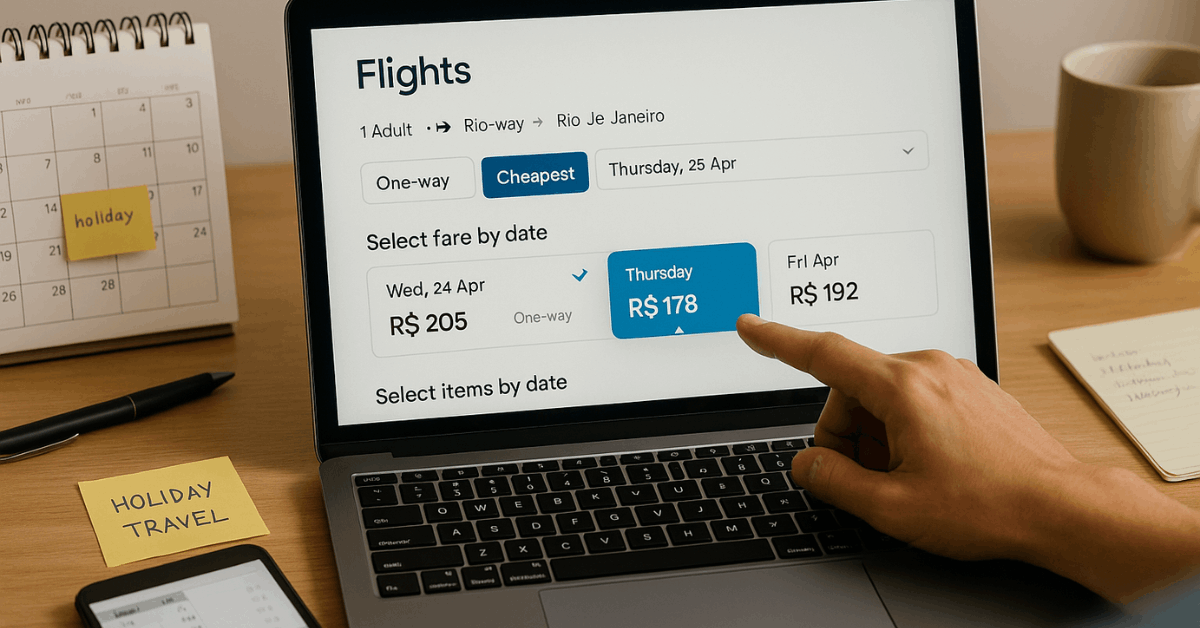
Dynamic algorithms, mileage marketplaces, and app-only coupons cooperate to create brief buying windows that casual travelers rarely notice. You gain the edge by tracking those micro-cycles instead of relying on luck.
Ultra-Low Prices on the Last Minute
During quiet booking periods, early Tuesday mornings, shoulder months like February or October, and late-night red-eye departures, seat inventories briefly outstrip demand.
Algorithms respond by dumping ultra-low prices into public channels, often for only a few hours. That cycle repeats worldwide, which means your vigilance directly converts into savings.
Ideal Timing Tactics That Protect Your Budget
Fluctuations follow patterns, and recognizing them spares you from overpaying.
| Booking Window | Practical Move | Typical Savings |
| 30–90 days before departure | Target domestic routes during off-peak seasons | Up to 40 percent |
| Early weekday pre-dawn hours | Catch fresh markdowns before morning demand rises | Up to 25 percent |
| Shoulder months (Feb, Mar, Oct) | Avoid school breaks and long holidays | Up to 35 percent |
| Overnight red-eye flights | Trade convenience for lower load factors | Up to 30 percent |
Reserve your ticket inside these windows, and your total routinely falls under the R$200 threshold without sacrificing key itinerary goals.
High-Performing Platforms for Bargain Hunting
Price dispersion across booking engines can reach 15 percent, so cross-checking is essential.
| Platform | Stand-Out Strength | Best Use Case |
| Google Flights | Live calendar and price graphs | Rapid scan of cheapest date combinations |
| Skyscanner | Whole-month view across full-service and regional carriers | Flexible trip planning worldwide |
| 123Milhas | Converts unused miles into discounts | Domestic Brazil routes under budget |
| MaxMilhas | Last-minute mile-based offers | Late bookings still below R$200 |
| Kayak | Reliable price alerts and multi-currency filters | Long-haul searches that need currency switches |
Screen two or three of these tools simultaneously; that way, stale data never tricks you into believing a decent price is the lowest available.
Automate Price Alerts and Mobile-Only Discounts
Constant manual searches waste time. Therefore, set route-specific alerts on Google Flights, Skyscanner, and Kayak at a strict ceiling of R$200. Push notifications arrive the instant fares fall, letting you buy before algorithms rebound.
Airlines sweeten app engagement through mobile-only coupons that rarely appear on desktop sites.
Install official apps from LATAM, Gol, Azul, and Decolar, enable all notifications, and compare mobile totals against browser pricing. Discrepancies of R$30–R$50 appear often, pushing already low fares into unbeatable territory.
Airlines and Promo Events Worth Your Attention
Tight focus on carriers that consistently dump promo seats boosts your hit rate.
- LATAM Airlines: “Mega Promo” batches land late Monday nights on core domestic trunk routes.
- Gol Linhas Aéreas: WhatsApp and in-app exclusives vanish within minutes, so instant alerts are mandatory.
- Azul Linhas Aéreas: Regional early-bird specials and holiday campaigns drop certain city pairs below R$200.
Large-scale sales—Black Friday, nationwide Travel Week, and individual airline anniversaries—slash prices further. Register early, preload passenger data, and preload digital wallets; in turn, your checkout time shrinks below two minutes.
Combine Rewards, Cashback, and Promo Codes
Leveraging overlapping incentives reduces your net outlay without extra effort.
- Credit-card ecosystems such as Livelo, Esfera, and Smiles permit partial point redemptions that erase a major slice of the cash portion.
- Cashback apps like Méliuz or PicPay routinely refund five to ten percent, nudging totals under budget.
- Promo-code hubs including Pelando or direct airline channels release stackable coupons on launch day.
Layer at least two of those levers on the same booking to transform a R$240 base fare into a R$190 victory.
Flexibility: Your Cheapest Currency
Rigid schedules force you to pay more, while small adjustments unlock deals.
- Midweek departures typically undercut weekend itineraries by twenty percent or better.
- Secondary airports—Campinas instead of Guarulhos, Confins instead of Galeão—often price two-digit tickets on slow demand days.
- Stopovers and red-eye itineraries drop tariffs sharply because airlines prefer selling every leg at a discount rather than leaving seats empty.
Switch just one variable, date, airport, or routing, and your fare often collapses into the sub-R$200 range.
Advanced Tools: Incognito Browsing, VPNs, and Deal Channels
Search engines record your behavior, which can lift fares on repeat queries. Opening new incognito tabs, clearing cookies, and cycling through VPN endpoints such as Argentina or Chile prevents that silent markup.
Convert totals back into Brazilian reais to confirm genuine savings.
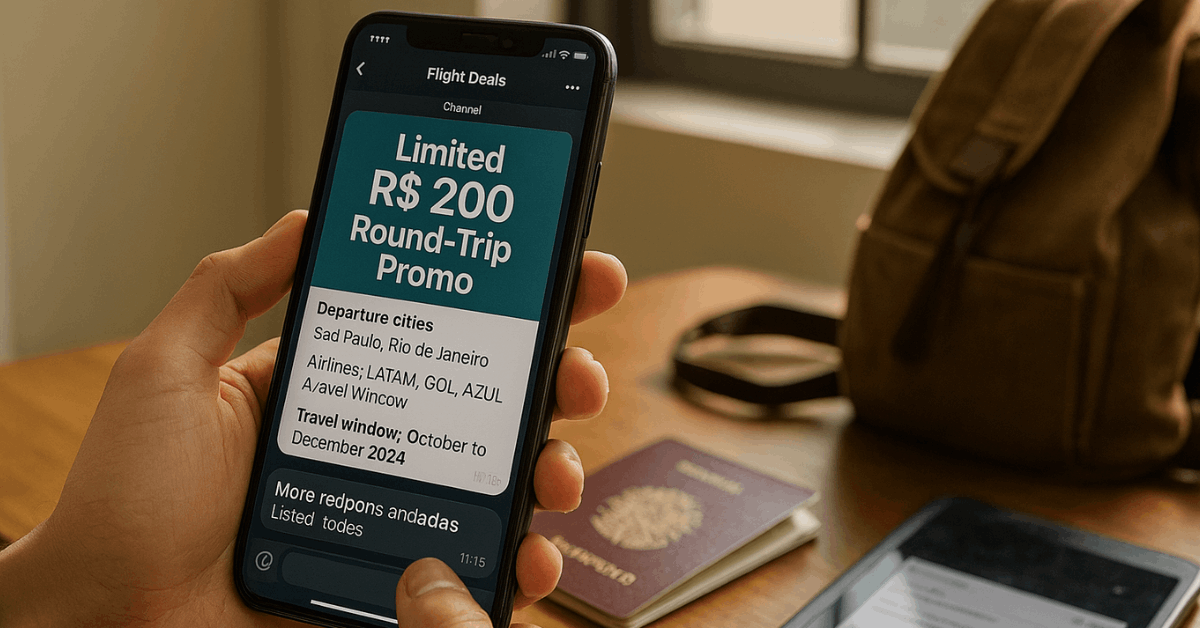
Deal-driven Telegram and WhatsApp broadcast lists, Passagens Imperdíveis, Melhores Destinos, or Voos Baratos, publish real-time flash links. Your participation ensures you react within minutes, not hours, after a fare leak appears worldwide.
Common Mistakes That Erode Savings
Avoid these recurring errors, and every cent you shave off stays in your pocket.
- Hesitating on the payment screen, which allows algorithms to spike prices.
- Ignoring cabin-bag rules, leading to surprise airport fees larger than the discount.
- Booking exclusively on weekends, when algorithmic surcharges peak.
- Relying on unverified third-party brokers that lack seat guarantees.
- Vigilance at checkout preserves the bargain you fought to secure.
Quick Pre-Booking Checklist
A two-minute review prevents last-second mistakes that inflate cost.
- Keep flexible travel dates plus alternate airports ready.
- Confirm all airline and deal-finder apps are updated and logged in.
- Activate price alerts capped at R$200 or equivalent.
- Assemble points, cashback methods, and active promo codes before searching.
- Verify luggage allowances and seat-selection fees prior to final payment.
Completing these steps streamlines checkout, especially during frantic sale periods.
Persistent Habits That Produce Ongoing Wins
Long-term consistency beats sporadic luck.
- Check price calendars every Monday and Tuesday before business traffic climbs.
- Delete cookies after each session to reset pricing baselines.
- Join frequent-flyer programs even if you fly twice a year; free miles accumulate.
- Book one-way legs separately when mix-and-match combinations cut the total further.
- Simulate foreign currencies on payment pages, exploiting favorable exchange rates in real time.
Adopting even two of these practices multiplies your sub-R$200 successes over the next twelve months.
Conclusion
Securing flights for R$200 or less throughout 2025 remains entirely feasible for travelers who pair strategic timing with digital vigilance.
Activate alerts, stay flexible, and react the moment prices tumble.
Consistent discipline converts occasional bargains into routine savings, letting your travel plans expand worldwide without overstretching your wallet.