If you are looking for tips to save on electricity bills, this guide translates official guidance into everyday actions that deliver real savings.
You will learn why bills rise in Brazilian homes, how tariffs and flags influence monthly costs, and which simple routines cut waste without hurting comfort.
By the end, you will have a practical plan you can measure on your next fatura and keep improving month after month.
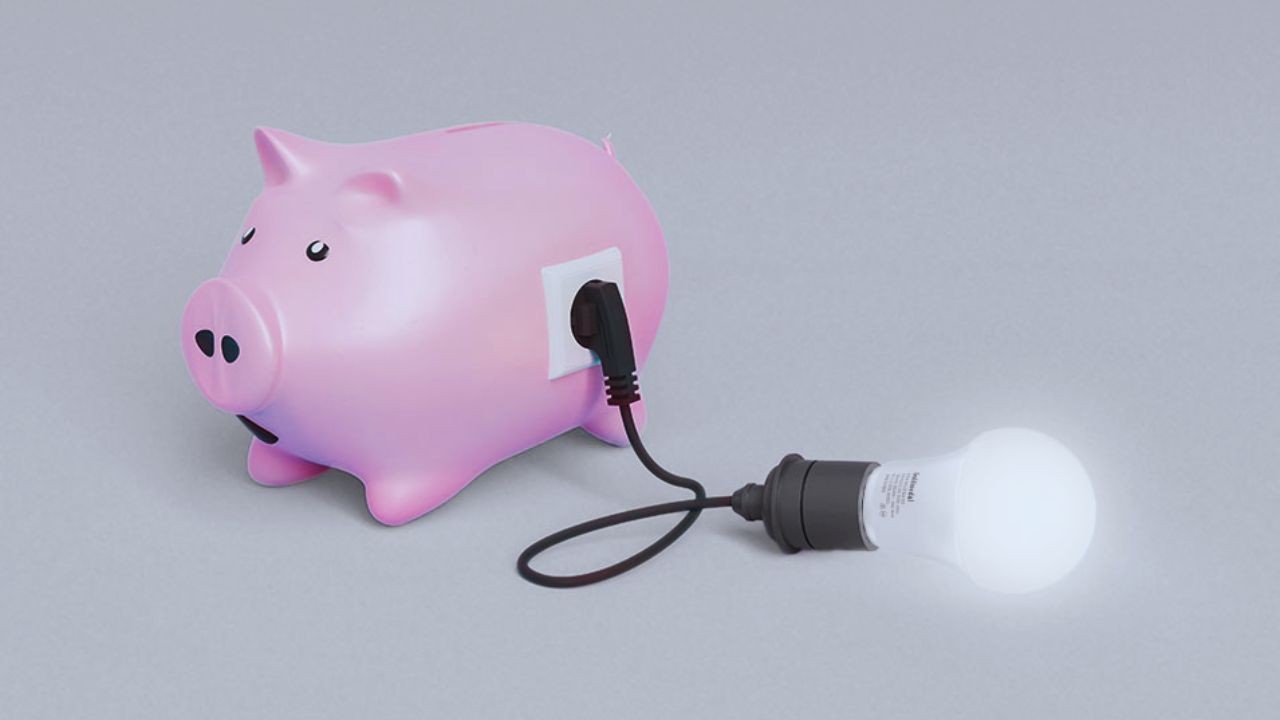
Why Saving On Electricity Matters In Brazil
Household consumption in Brazil often peaks during hot seasons when air conditioners and electric showers run longer than usual.
Distribution companies pass generation and system costs to consumers through tariff structures and monthly flag adjustments, which magnify the impact of inefficient habits.
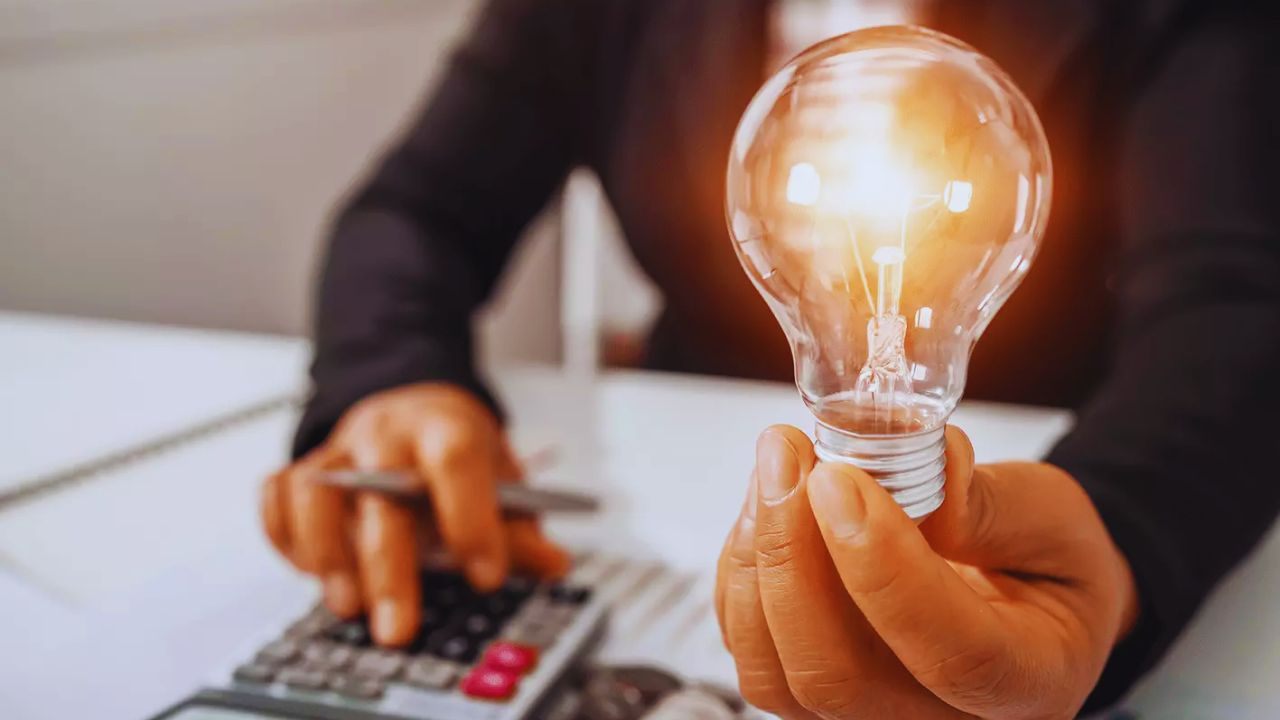
Reducing waste softens the effect of price cycles while improving comfort and equipment life in apartments and single-family homes.
Treating efficiency as a routine, not a one-off project, is how you create durable savings across the year.
How Your Bill Is Calculated
Your bill reflects energy consumed in kilowatt-hours, taxes and fees, distribution charges, and any monthly surcharge from the bandeiras tarifárias.
Customers enrolled in Tarifa Branca pay different rates depending on the time of day, which rewards off-peak behavior on business days.
Low-income households that qualify for Tarifa Social receive legal discounts that reduce the overall amount due. Understanding which of these components applies to you determines which habit will save the most in your home.
Where Electricity Goes In Brazilian Homes
Brazilian households typically spend the most electricity on air conditioning in hot regions, showers with electric resistance heating, refrigeration, and laundry.
Lighting, electronics, and cooking appliances make up the remainder and can still add up over long days. Because large loads dominate, the fastest savings come from smarter temperature settings, shower practices, and efficient timing.
After those big wins, you can fine-tune appliances, lighting, and standby power for steady reductions.
Programs And Signals That Lower Costs
Brazil offers time-based pricing, monthly cost signals, and social protections that you can use to your advantage.
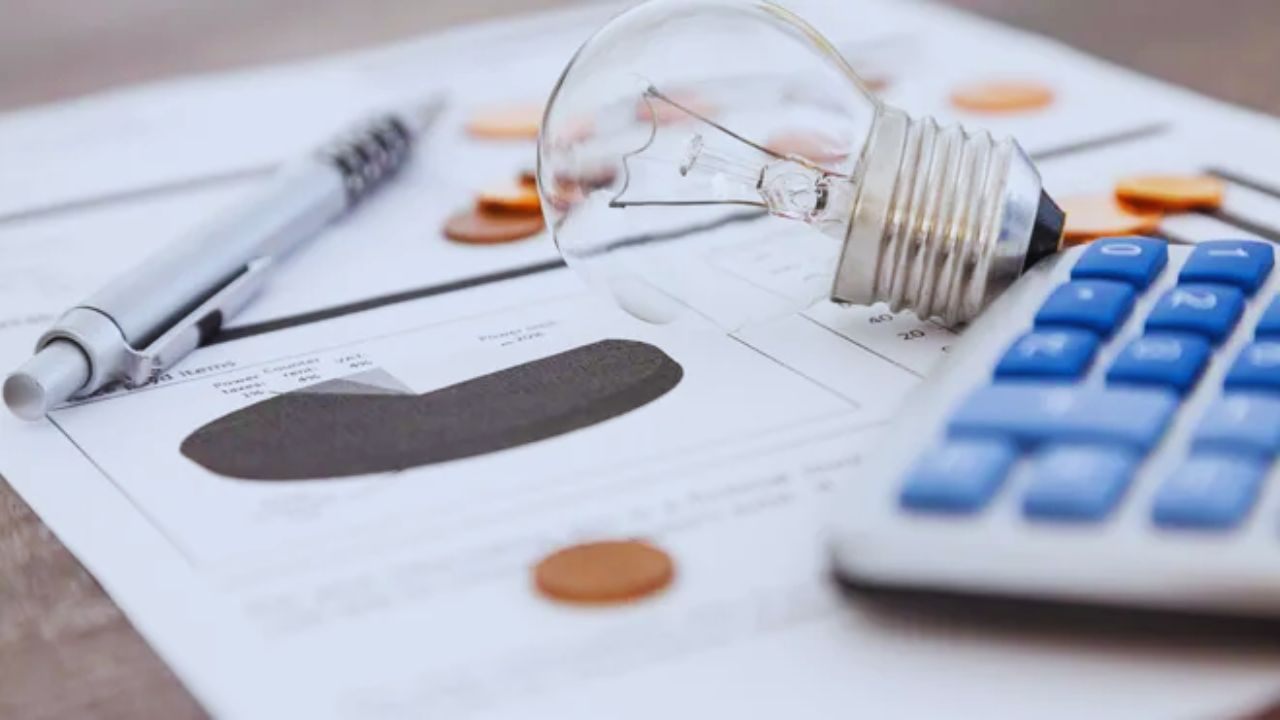
Tarifa Branca lowers kWh prices outside peak hours, which helps disciplined households that can shift usage to cheaper periods.
The bandeiras tarifárias add a transparent per-kWh surcharge when generation costs rise, which makes conservation more valuable in those months. Matching your routines to these tools often delivers savings without any new equipment.
Tarifa Branca In Practice
When you join Tarifa Branca, electricity costs are highest during a three-hour peak window on business days, moderate in the shoulder, and lowest off-peak.
Weekends and national holidays are usually billed at off-peak rates, which is ideal for laundry, ironing, and dishwashing.
Set appliance timers and reminders so energy-intensive chores happen outside the expensive block automatically. If your schedule cannot shift, you may be better off on the conventional tarifa, so check past bills before enrolling.
Reading The Bandeiras Tarifárias
The flag system is a monthly signal that indicates whether generation costs are normal or strained, and it changes your final price per kWh.
A green flag adds no surcharge, while yellow and red levels apply fixed adders that reward every kilowatt-hour you avoid.
During red months, shorten electric showers, raise AC setpoints, and move chores to cooler hours for immediate relief. Building habits around the flag color is a simple way to stabilize your bill across seasons.
Tarifa Social And Distributed Generation
Families that meet income and registration criteria can obtain Tarifa Social discounts that lower the bill on a sliding scale.
If you qualify, confirm enrollment with your distributor so the credit appears consistently each cycle.
Homeowners and condominiums may also benefit from distributed generation rules that allow crediting of solar output against consumption. Even if you are not installing panels today, understanding these options helps you plan upgrades wisely.
Simple Home Hacks That Work In Brazil
You can capture meaningful savings with low-cost actions that take a few minutes to set up and then run on autopilot.

Start by adjusting temperature and usage patterns for air conditioning and showers, because those loads move your bill the most.
Next, tune refrigeration, laundry, and cooking routines to eliminate waste hidden in plain sight. Finally, set controls and habits that keep lights and electronics from nibbling at your budget all day.
Smarter Air Conditioning Use
Set your AC to the highest comfortable temperature, close doors and windows, and use curtains or reflective blinds to block midday sun. Clean filters monthly during heavy use, because restricted airflow forces compressors to run longer and draw more power.
If your unit supports it, enable economy mode or use an inverter model that modulates output rather than cycling hard on and off.
Ceiling fans or ventilators can raise perceived comfort so you can lift the setpoint by one or two degrees and still feel cool.
Electric Shower Optimization
Electric shower heads are convenient but energy-intensive, so small changes make a big difference immediately.
Select the “morno” or summer setting whenever possible and keep showers short, since the resistance element draws full power at higher settings. Turn water off while soaping and turn it back on to rinse, which reduces runtime without sacrificing comfort.
If your household can adopt a solar or gas water solution later, the shower’s electricity load will drop dramatically.
Refrigeration Habits That Pay
Keep refrigerator temperature in the recommended range, avoid overfilling, and let hot food cool before storing to reduce compressor strain.
Check door gaskets and clean coils so heat can move away efficiently and the motor cycles off sooner. Organize shelves for quick access so doors do not stay open and spill cold air into the kitchen.
If you are replacing a unit, favor models with strong ENCE ratings and the Selo Procel for lower lifetime costs.
Laundry Timing And Technique
Wash full loads, prefer cold water, and choose a higher spin speed so clothes leave with less moisture and require less drying time.
In homes without a tumble dryer, a shaded, ventilated drying area prevents heat gain while delivering zero-electricity drying.
If you use a dryer, clean the lint filter every cycle and avoid peak hours under Tarifa Branca. Planning two laundry windows per week outside the peak block keeps savings consistent without extra effort.
Kitchen And Small Appliance Routines
Use pressure cookers and induction cooktops where available because they shorten cooking time and improve efficiency.
Match pan size to burner size, cover pots to hold heat, and defrost food in the refrigerator so the microwave runs less.
Unplug idle appliances with external power supplies, or use a switched power strip to cut standby draw in one motion. These routines add up, especially in apartments where kitchens run daily during evening peaks.
Lighting With ENCE And Procel In Mind
Replace remaining incandescent and halogen bulbs with LEDs that carry top ENCE classes and the Selo Procel where applicable.
Focus on high-use fixtures such as living rooms, kitchens, hallways, and outdoor areas that stay on for long periods.
Add timers or dawn-to-dusk sensors on exterior lights so they operate only when needed without manual checks. Once upgraded, lighting savings persist for years with no change to comfort or safety.
Control Standby Power And Chargers
Many televisions, set-top boxes, soundbars, and consoles draw power while “off,” which quietly inflates consumption in media corners.
Group them on a smart plug or switched strip and turn the cluster completely off when you leave or go to sleep.
Charge phones and laptops during off-peak windows if you use Tarifa Branca, then unplug chargers that warm up when idle. These small actions trim a surprising number of kilowatt-hours over a month.
Smart Upgrades And Labels For Brazilian Homes
When it is time to replace equipment, choose efficient models that lock in lower bills for a decade or more.

Brazil’s labeling ecosystem makes this straightforward by ranking products and highlighting the best performers.
Combining high-efficiency devices with the habits above produces savings that compound across seasons.
Plan upgrades around equipment end-of-life to avoid unnecessary spending and installation disruption.
Read ENCE And Selo Procel Before Buying
The ENCE label ranks efficiency classes so you can compare refrigerators, air conditioners, washers, and other products at a glance.
The Selo Procel distinguishes top performers within each category, signaling models that deliver the lowest consumption for similar output.
Compare annual kWh estimates and consider inverter technology for air conditioning to reduce cycling losses. Spending a little more upfront often returns value quickly through lower monthly bills and better comfort.
AC And Maintenance That Extend Savings
Split inverters routinely use less electricity than older window or non-inverter models because they modulate capacity based on real demand.
Keep outdoor condensers clear of leaves and debris, maintain adequate spacing for airflow, and schedule filter and coil cleaning before peak heat.
If a room cools unevenly, check door sweeps and window seals rather than pushing the thermostat lower to compensate. Good maintenance preserves efficiency and prevents costly breakdowns during the hottest weeks.
Water Heating Alternatives Over Time
Where feasible, consider solar thermal collectors or heat-pump water heaters to cut electricity used for bathing and cleaning.
These systems reduce dependence on electric resistance and can operate efficiently even in mixed weather conditions across Brazil.
Pair upgrades with low-flow showerheads designed for your heating method to maintain comfort while reducing volume. Planning this transition in stages lets you capture savings without disrupting household routines.
Conclusion
Brazil gives you powerful tools and clear signals, and your job is to align daily routines with them for steady savings. With these focused tips to save on electricity bills, your home will feel better, waste less, and deliver a lower fatura every single cycle.