Blood donation is one of the simplest ways you can help save lives.
Across Brazil and worldwide, many hospitals and health groups organize free blood donation campaigns to encourage more people to participate.


This guide shows you how to find, register, and join these campaigns safely and efficiently.
Understanding Free Blood Donation Campaigns
Free blood donation campaigns are organized by hospitals, NGOs, and government health agencies to collect blood for patients in need.
These campaigns are voluntary and cost-free, ensuring anyone can participate without payment or obligation.
They often include basic health checks and promote community awareness about the importance of regular donation.
Why You Should Donate Blood
Donating blood is a simple act that creates a lasting impact. It not only helps others but also supports your own well-being.
Here are key reasons why you should donate blood regularly.
- Save Lives: One donation can help up to three people in emergencies, surgeries, or cancer treatments.
- Support Hospitals: Regular donors help maintain stable blood supplies for accident and disaster cases.
- Health Benefits: Donating blood can improve blood circulation and help reduce excess iron levels in the body.
- Free Health Check: With every donation, you'll receive a basic screening for blood pressure, hemoglobin, and overall fitness.
- Community Impact: Your contribution inspires others to participate and strengthens local health initiatives.
Where to Find Free Blood Donation Campaigns
Finding a free blood donation campaign is easier.
Many organizations make it simple for you to locate nearby drives and join as a volunteer. Here are the best places to find them.
- Hospitals and Clinics: Most major hospitals organize regular donation days and accept walk-in donors.
- Red Cross and NGOs: Groups like the Red Cross and other non-profits run mobile and community blood drives.
- Government Health Departments: Local health offices often announce schedules for public donation campaigns.
- Schools and Universities: Educational institutions partner with health groups to host annual blood drives.
- Official Health Apps and Websites: Use verified platforms to check real-time donation schedules near your area.
- Community Centers and Churches: Many local centers hold blood donation events to promote social responsibility.
How to Register and Prepare
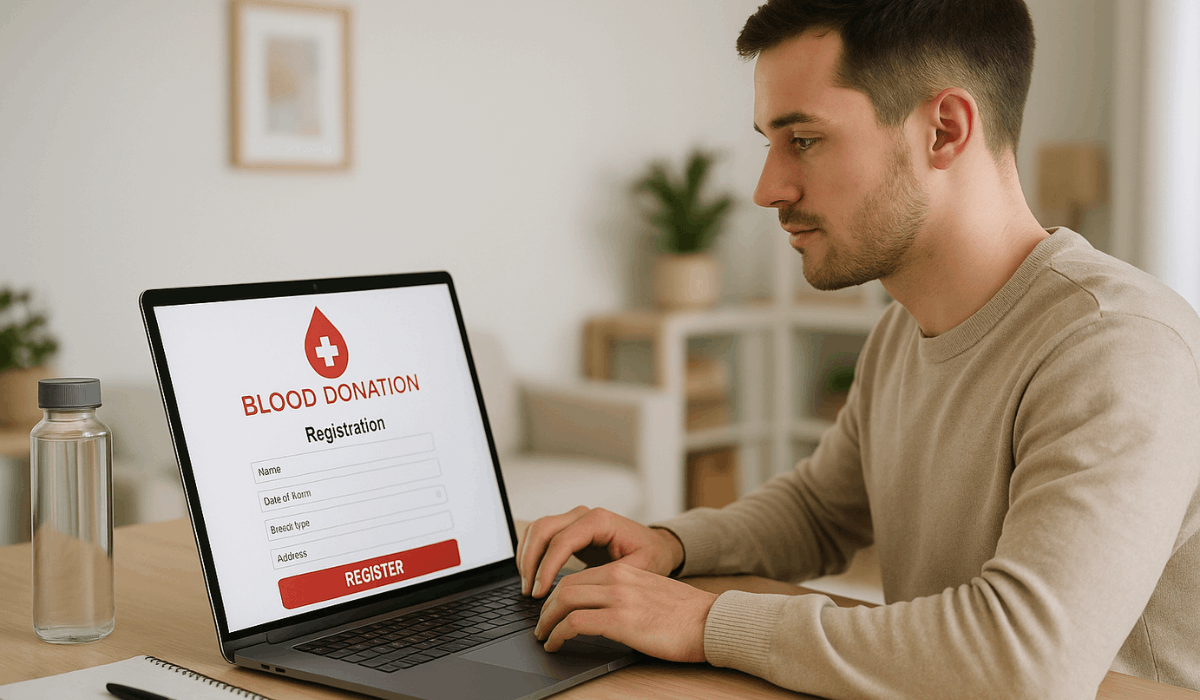
Before donating blood, you need to register correctly and prepare your body for a safe experience.
Registration helps ensure that only eligible donors participate and that the process runs smoothly.
Here’s how you can register and prepare for a free blood donation campaign.
- Online Registration: Visit the official website or use a verified health app to book a donation slot.
- Walk-In Registration: Visit hospitals, community centers, or Red Cross events that accept on-site donations.
- Eligibility Check: Confirm that you meet the requirements, such as being between 18 and 65 years old, weighing over 50 kg, and being in good health.
- Pre-Donation Meal: Eat light, iron-rich foods and avoid fatty meals or alcohol 24 hours before donating.
- Hydration: Drink plenty of water before and after the donation to maintain blood flow and recovery.
- Rest and Identification: Get a good night’s sleep and bring a valid ID or donor card on the day of donation.
What Happens During the Campaign
Knowing what happens during a blood donation campaign helps you feel prepared and confident.
The process is simple, safe, and managed by trained health professionals. Here’s what you can expect on donation day.
- Check-In: You’ll sign in and confirm your registration details at the reception desk.
- Health Screening: Medical staff will check your blood pressure, pulse, and hemoglobin to ensure you’re fit to donate.
- Donation Process: A sterile needle is used to collect about 450 ml of blood, which takes around 10 to 15 minutes.
- Monitoring: Trained staff will monitor you closely throughout the process to ensure your comfort and safety.
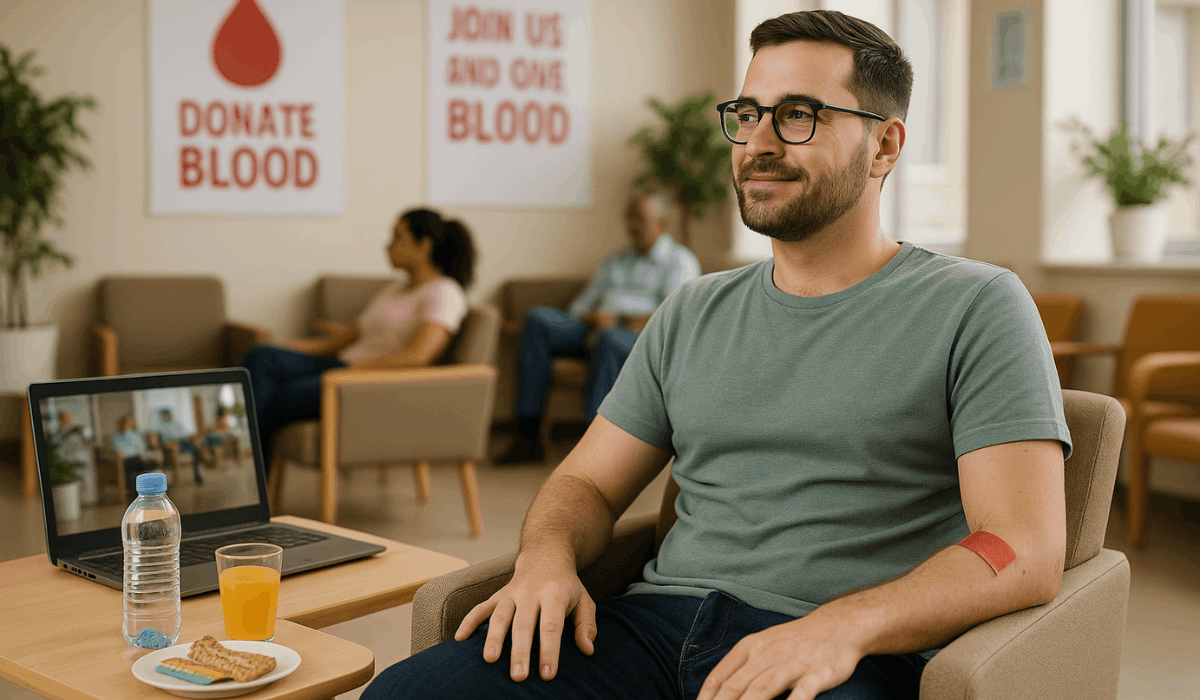
- Rest and Refreshments: After donating, you’ll be asked to rest for a few minutes and enjoy snacks or juice to help your body recover.
- Certificate or Card: Some campaigns provide a donor card or digital record to acknowledge your contribution.
Safety and Health Considerations
After donating blood, proper aftercare ensures your body recovers quickly and stays healthy.
Taking simple precautions helps you avoid fatigue or dizziness and prepares you for your next donation. Here’s what you should do after giving blood.
- Rest Briefly: Sit or lie down for at least 10 to 15 minutes after donating to allow your body to adjust.
- Stay Hydrated: Drink plenty of water or juice for the next 24 hours to replenish lost fluids.
- Eat Nutritious Food: Choose iron-rich meals like spinach, beans, and red meat to rebuild your red blood cells.
- Avoid Heavy Activity: Refrain from intense exercise, alcohol, and smoking for the remainder of the day.
- Monitor for Dizziness: If you feel weak or lightheaded, sit down immediately and elevate your legs until you recover.
- Plan Your Next Donation: Mark your calendar—most people can safely donate again after 8 to 12 weeks.
Incentives and Recognition Programs
Many groups offer incentives and recognition to thank blood donors. These rewards encourage regular donations and community involvement.
Here are common benefits you can receive as a donor.
- Free Health Screenings: Donors often get complimentary checks for blood pressure, hemoglobin, and overall wellness.
- Snacks and Refreshments: After donating, you’re typically offered refreshments to help with recovery.
- Certificates or Donor Cards: Many campaigns offer acknowledgment cards or digital badges as a token of appreciation for participation.
- Priority in Emergencies: Regular donors may receive priority assistance in urgent medical cases requiring blood.
- Recognition Awards: Long-term donors can receive medals, appreciation events, or official honors from health agencies.
- Discounts and Vouchers: Some organizations partner with local businesses to offer small perks, such as coupons or event passes.
Digital Tools for Donor Tracking
Digital tools make it easy to track donations and stay updated on new drives.
They help you manage appointments, track your health, and receive reminders to donate again. Here are some valuable options for active donors.
- Mobile Donation Apps: Use apps like Hemocione or OneBlood to check nearby campaigns and schedule appointments.
- Donor Portals: Many hospitals and Red Cross branches offer online accounts to view your donation history and results.
- Health Integration: Some apps sync with fitness trackers to monitor your heart rate and recovery after donation.
- Automated Reminders: Enable notifications to alert you when you can donate again or when a local drive is happening.
- Digital Certificates: Get e-cards or QR codes confirming your donation, making it easier to register next time.
Aftercare and Recovery
Proper aftercare and recovery help your body regain strength after donating blood.
Following simple steps ensures a safe experience and prepares you for your next donation. Here’s what to do once you’ve finished donating.
- Hydrate Well: Drink plenty of water or juice to replace lost fluids and prevent dizziness.
- Eat Healthy Meals: Choose foods rich in iron, such as meat, beans, and leafy vegetables, to help restore your red blood cells.
- Rest and Relax: Avoid heavy physical activity for the next 24 hours to allow your body to recover fully.
- Watch for Side Effects: If you feel lightheaded or weak, sit or lie down immediately and raise your legs.
- Schedule the Next Donation: Note your next eligible date—typically every 8 to 12 weeks—to continue supporting others safely.
Final Takeaway
Joining free blood donation campaigns is a simple way to save lives and support your community.
With many hospitals and apps offering easy access, donating has never been more convenient.
Take action today—register for a nearby campaign and make a difference with your donation.