Regular eye exams keep your vision clear and prevent long-term damage. Learning how to access free eye exam programs helps you protect your eyes even without extra expenses.
Many public and nonprofit organizations offer professional care at no cost. This article guides you to find these programs, meet eligibility, and apply easily.


Understanding the Importance of Eye Exams
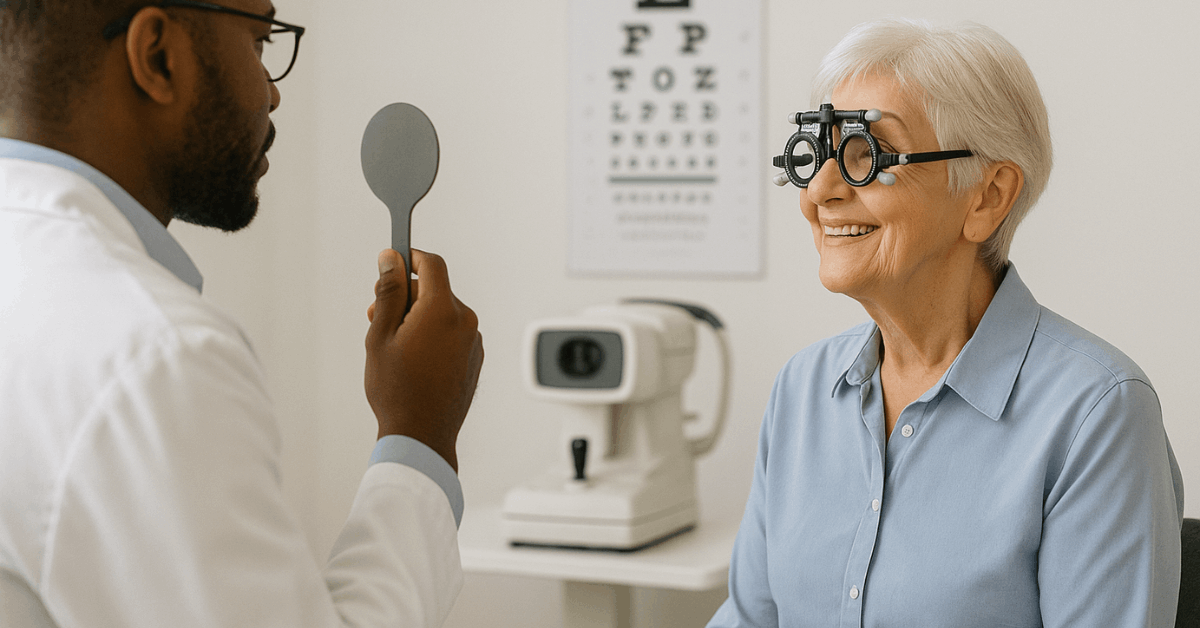
Eye exams are not just about checking your vision; they help detect early signs of health problems.
Many eye diseases such as glaucoma and cataracts can develop silently without symptoms. Regular checkups can identify these issues early, ensuring timely treatment.
Knowing where to access free exams helps maintain your overall eye health while saving on costs.
Why Early Detection Matters
Early diagnosis is vital because untreated eye conditions can lead to vision loss. Annual or biannual checkups allow doctors to spot changes in vision or signs of diabetes-related eye diseases.
Detecting problems early can prevent serious damage. Prioritizing your eye health through free exam programs supports long-term well-being.
Common Eye Issues Detected
Some of the most frequent conditions found during exams include nearsightedness, farsightedness, and astigmatism. Exams also check for cataracts, glaucoma, and macular degeneration.
Identifying these problems early ensures proper treatment. Free exam programs make this vital process more accessible to everyone.
Who Qualifies for Free Eye Exam Programs?
Eligibility for free eye exam programs depends on income, age, and health status. Many programs assist low-income families, seniors, and children without vision insurance.
Others are available through community centers, schools, and nonprofit groups. Understanding the qualifications helps you know which program suits your needs best.
Common Eligibility Requirements
Before applying, check whether you meet the typical conditions. Most programs require proof of low income or participation in government assistance.
Some target seniors or children in public schools. Always verify residency and insurance requirements before applying.
Supporting Documents Needed
Applicants usually need identification, income statements, and proof of residence. In some cases, letters from social workers or healthcare providers may be required.
Having documents ready speeds up approval. Preparing early prevents delays when free screenings become available.
National and Government Programs
Government-backed and national organizations play a big role in offering free or discounted exams.
These programs ensure access for individuals with financial or medical limitations. They work through healthcare networks, clinics, and community partnerships.
Medicaid and Medicare
Medicaid covers eye exams for children and adults in many states. Medicare Part B helps pay for tests related to glaucoma or diabetic retinopathy.
Patients should contact their state Medicaid office for eligibility details. These remain dependable public options for free eye care.
National Eye Institute (NEI)
The NEI funds public health initiatives promoting vision awareness. It collaborates with partners to conduct free screening events nationwide. NEI’s website lists verified community-based programs. Checking there regularly helps individuals find updated opportunities for care.
Nonprofit and Charitable Programs
Many charitable groups provide free exams for people without insurance. They partner with clinics, optometrists, and schools to serve local communities. Some also include free or discounted eyeglasses for eligible applicants.
Vision USA
Vision USA, managed by the American Optometric Association, provides exams for low-income individuals without coverage. Applicants can apply online through the AOA’s official website.
Once approved, they receive appointments with local optometrists. This program supports families struggling with healthcare costs.
Lions Club International
The Lions Club has offered free vision screenings for decades. Local chapters organize community-based exam drives, often including children and seniors.
Contacting a nearby chapter helps identify the next scheduled event. This organization remains one of the most active in global eye health support.
VSP Eyes of Hope
VSP’s Eyes of Hope program distributes vouchers for free eye exams and glasses. Applicants can apply through the VSP website or nonprofit partners.
Each voucher covers a full vision check with participating doctors. This initiative helps students and adults who cannot afford regular care.
Local and Community-Based Initiatives
Local clinics, health departments, and schools often hold free eye exam events. These efforts are designed for low-income or uninsured residents.
Many community centers partner with eye specialists to provide free screenings. Staying informed about upcoming events increases your access to care.
University and School Programs
Colleges with optometry programs often offer free or low-cost exams. Parents can inquire at schools about free student vision screenings.
These programs help children receive early diagnosis and correction. Education-based clinics are reliable sources of affordable eye care.
Community Health Fairs
Health fairs and church-sponsored events sometimes include free screenings. These initiatives serve both children and adults without coverage.
Attending local events is a simple way to check vision and get advice. They also distribute information on future screening schedules.
How to Apply for Free Eye Exam Programs?
Applying for free eye exam programs is straightforward if you follow clear steps. Understanding the process ensures faster approval and better participation.
It’s important to gather all documents and contact local providers early. Before applying, follow these steps carefully to make sure your application is complete and accepted easily:
- Identify Programs: List the programs you qualify for and check eligibility conditions.
- Prepare Forms: Fill out the forms accurately online or in person.
- Attach Documents: Include ID, proof of income, and any required paperwork.
- Confirm Appointment: Contact the organization to verify your submission and confirm your exam date.
Helpful Application Tips
Before sending your application, consider these points to make the process smoother and increase your chances of success:
- Apply Early: Submit your request quickly since free exam slots fill fast.
- Stay Organized: Keep all personal and medical records accessible.
- Watch for Events: Track seasonal campaigns like World Sight Day for extra opportunities.
- Be Persistent: Prepare carefully and follow up regularly to improve your approval odds.
Programs for Children and Seniors
Children and seniors often qualify for specific vision programs tailored to their needs. These initiatives provide early detection and age-specific care. Accessing them helps maintain lifelong eye health.
InfantSEE Program
InfantSEE offers free eye assessments for babies under one year. Parents can locate participating optometrists through the official site.
Early exams identify developmental issues in infants’ vision. Regular participation ensures strong visual development from birth.
EyeCare America for Seniors
EyeCare America assists adults aged 65 and older with free or reduced-cost exams. It connects qualified individuals with volunteer ophthalmologists nationwide.
Seniors can apply online for scheduling. This program removes barriers for elderly patients who lack coverage.
Continuing Care and Eye Health
Healthy habits and proper care prevent future complications. Following the optometrist’s advice ensures long-term benefits from free exam programs.
Practical Eye Care Habits
Eat foods rich in vitamins A, C, and E to strengthen eye tissues. Avoid excessive screen time or use protective lenses when necessary.
Always wear sunglasses outdoors to prevent UV damage. Regular follow-ups help monitor your condition effectively.
Digital Tools for Vision Tracking
Some mobile apps can remind you of upcoming checkups or track vision changes. Using these tools promotes consistent care.
Many are free and connect you with clinics nearby. Embracing technology supports your long-term vision management.
Final Words: Clear Vision, Free of Cost
Finding and using free eye exam programs empowers you to take control of your vision health. Government, nonprofit, and community efforts make these services accessible for all ages.
You can apply online, through local clinics, or during annual awareness campaigns. By staying proactive and informed, you ensure your eyesight remains strong without financial burden.