Millions of people suffer from sleep apnea without realizing it, often facing fatigue and poor concentration.
This condition involves repeated breathing interruptions during sleep that can harm long-term health.


Today, digital tools make it easier to monitor and manage these symptoms. You can now Track Sleep Apnea Symptoms With Apps to understand your sleep quality and detect issues early.
Understanding Sleep Apnea and Its Symptoms
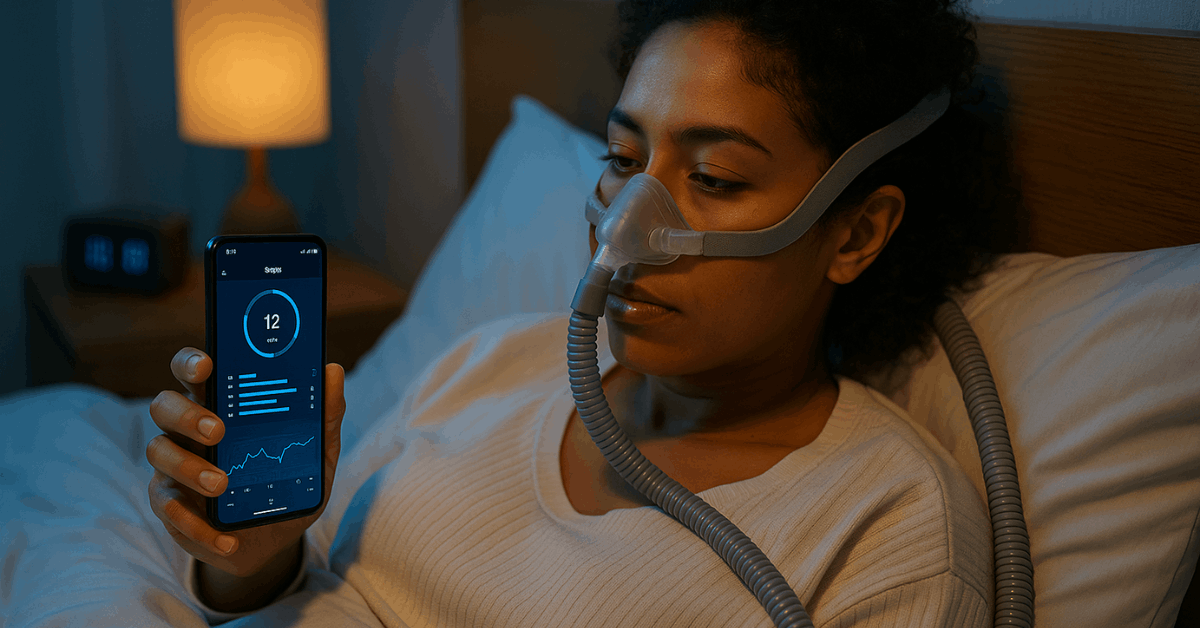
Sleep apnea is a disorder where breathing repeatedly stops while sleeping, disrupting rest and oxygen flow.
Knowing its symptoms helps you identify early warning signs before complications arise.
Using apps can simplify the process, making observation easy and consistent. Early detection is key to improving both rest and overall health.
What Is Sleep Apnea?
Sleep apnea causes short pauses in breathing that can happen dozens of times per night. These interruptions reduce oxygen levels and affect the quality of deep sleep.
People with this condition often feel exhausted even after sleeping well. The most common type is obstructive sleep apnea, caused by airway blockage during sleep.
Common Symptoms to Watch For
People with sleep apnea may experience loud snoring, gasping for air, or daytime sleepiness. They might also wake up with headaches or sore throats.
Others may not notice their symptoms until someone points them out. Tracking these patterns helps detect potential issues early.
Why Tracking Symptoms Helps?
Monitoring sleep patterns provides useful data about your breathing and snoring habits.
Apps can identify irregular breathing or snoring intensity, helping doctors assess potential risks.
Tracking also motivates you to improve sleep hygiene and follow better nighttime routines. Over time, this leads to more consistent and restful sleep.
Why Use Apps for Sleep Apnea Tracking?
Smartphones have made health tracking more accessible than ever. Sleep monitoring apps use your phone’s microphone and sensors to collect information about your rest.
These tools provide accurate data without the need for expensive devices. Anyone can start monitoring their sleep right from home.
Accessibility and Convenience
Sleep apps are affordable and easy to use for anyone with a smartphone. You simply place the device near your pillow, and it records sounds and movements while you sleep.
The apps analyze these patterns to detect breathing irregularities. This convenience makes sleep tracking simple and practical for daily use.
Data You Can Share With Doctors
The information collected by these apps includes graphs and audio samples that show snoring levels and sleep cycles.
You can share these reports during medical consultations for better evaluation. Doctors find such data valuable for identifying possible sleep disorders. Sharing accurate data allows faster and more effective diagnoses.
Awareness and Prevention
Apps not only record symptoms but also help users build healthy sleeping habits. They can remind you to sleep at regular times or limit caffeine intake.
Having clear records helps you identify triggers that worsen your condition. Awareness is the first step toward preventing serious health problems.
Best Apps To Track Sleep Apnea Symptoms
Several mobile tools can help you track sleep apnea symptoms accurately. Below are four reliable and popular apps.
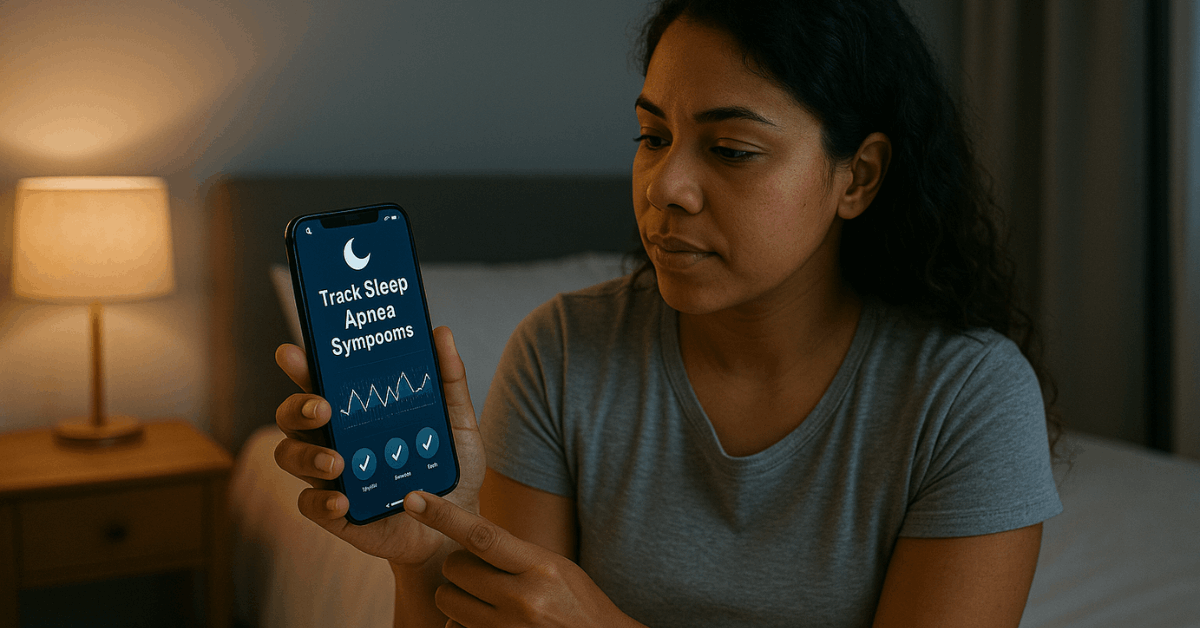
Each app includes special features that make sleep monitoring more detailed and efficient.
SnoreLab
SnoreLab detects and analyzes snoring patterns using your phone’s microphone. It measures snoring intensity and highlights possible breathing interruptions.
The app also gives personalized tips to improve sleep quality and reduce snoring. You can download this app from Google Play or the App Store.
SleepCycle
SleepCycle tracks your sleep stages through sound and motion detection. It creates detailed graphs to show light, deep, and disturbed sleep.
The app’s smart alarm wakes you at the optimal time for a refreshed feeling. Available now on Google Play and the App Store for easy download.
Pillow
Pillow monitors breathing, heart rate, and sleep cycles using device sensors. It syncs with smartwatches and health apps for complete reports.
The app records nighttime audio to detect snoring and breathing issues. Get it on App Store.
How To Use Sleep Apnea Tracking Apps Effectively?
Correct setup ensures more accurate data collection and better results. These apps perform best when used consistently in a calm environment. Developing a nightly routine helps improve data accuracy and sleep quality.
Setting Up the App
Place your smartphone near your pillow or on a nightstand with the microphone facing you.
Make sure the room is quiet and your phone has enough battery for the night. Follow any calibration steps if the app suggests them. Proper setup guarantees more reliable readings.
Recording and Reviewing Data
Use the app nightly for at least one week to create a reliable data record. Each morning, review the graphs showing sleep duration and quality.
Look for irregular breathing or high snoring scores that may suggest apnea symptoms. The longer you record, the more consistent your results will be.
Comparing Nightly Results
By comparing several nights, you can identify what affects your rest. Factors like alcohol, stress, or heavy meals can influence sleep quality.
Apps let you tag habits, helping you connect actions to sleep patterns. Over time, this awareness supports better nighttime behavior.
Sharing Information With a Doctor
When you notice irregularities, export your sleep reports for medical review. Doctors can evaluate snoring duration, pauses, and oxygen fluctuations more effectively.
This helps them decide whether you need further testing like a sleep study. Sharing app results empowers you to take charge of your health.
Tips for Better Sleep and Symptom Control
Improving daily habits enhances sleep quality and can reduce apnea symptoms. Small but consistent actions have lasting effects on your overall health. Below are practical ways to promote better rest and breathing.
Maintain a Healthy Weight
Excess weight can increase airway pressure, making it harder to breathe at night. A balanced diet and regular exercise reduce the risk of obstruction.
Even minor weight loss can significantly improve snoring. Maintaining a healthy lifestyle supports smoother breathing.
Sleep on Your Side
Sleeping on your side keeps airways open and helps minimize snoring. Apps like SnoreLab can remind you to switch positions if needed.
If you’re used to sleeping on your back, place a pillow behind you to stay in position. This habit can lead to more comfortable rest.
Avoid Alcohol and Smoking
Alcohol and nicotine relax throat muscles, worsening breathing problems. Avoid drinking before bedtime and try to cut down on smoking.
Reducing these habits strengthens airflow and reduces snoring intensity. The benefits often appear after just a few weeks.
Use a Consistent Schedule
Sleeping and waking at the same time every day strengthens your sleep rhythm. A consistent routine supports deeper sleep and less fatigue.
Many apps include bedtime reminders to help maintain discipline. Structure leads to higher energy and better rest.
Understanding the Role of Data in Diagnosis
App-generated data is a useful first step toward medical evaluation. These insights provide doctors with real-time evidence of how you sleep.
When combined with clinical tests, they create a clear understanding of your condition.
What the App Data Shows?
Apps display charts and graphs showing snoring intensity, movement, and breathing irregularities. Some highlight high-risk nights based on detected pauses.
Analyzing this data helps reveal unhealthy sleep patterns. Persistent abnormalities may indicate the need for professional attention.
When to Seek Professional Help?
If your app results show frequent snoring or breathing interruptions, consult a doctor. A specialist might recommend a polysomnography to confirm the diagnosis.
Early medical care prevents potential complications like heart disease. Apps provide a foundation for early action and awareness.
Benefits of Tracking Sleep Apnea With Apps
Tracking your sleep habits brings both physical and emotional benefits. These digital tools help users understand their bodies and build better habits. Awareness through technology leads to more proactive health management.
Early Detection of Irregularities
Regular tracking helps detect abnormal breathing patterns before they worsen. Acting on early signs can prevent chronic conditions related to poor sleep.
The more consistent you are, the easier it becomes to spot trends. This awareness builds confidence and control over your health.
Motivation to Improve Lifestyle
Seeing progress through app graphs motivates users to continue healthy practices. Visual results show how lifestyle changes affect sleep quality.
Each improvement reinforces positive behavior. Over time, this motivation helps sustain long-term wellness.
Personalized Sleep Insights
Apps use artificial intelligence to give personalized recommendations based on your data. They suggest bedtime routines, breathing techniques, or position adjustments.
Tailored insights make sleep improvement more effective. The result is a customized path toward better rest.
Safety, Privacy, and Data Protection
Using sleep apps safely ensures both privacy and comfort. Protecting your information keeps your experience secure and trustworthy.
- Download only from Google Play or App Store to avoid fake apps.
- Review each app’s privacy policy before granting permissions.
- Avoid sharing unnecessary personal or payment details.
- Use passwords or biometric locks for added protection.
Following these tips guarantees a safe experience while tracking your sleep.
How Sleep Tracking Helps People in Brazil?
Many people in Brazil suffer from undiagnosed sleep disorders due to limited testing access. Apps offer a cost-effective way to observe symptoms and track progress.
These tools empower users to make informed health decisions. They also encourage professional consultation when warning signs appear.
Start Improving Your Sleep Tonight
Using apps to monitor sleep apnea symptoms gives you valuable insight into your rest and health.
They help detect problems, support healthier habits, and promote long-term wellness. Early action can prevent complications and improve your daily energy.
Download one today from Google Play or App Store and start your journey to better sleep.