Vaccination campaigns protect millions from preventable diseases worldwide. In this article, you’ll learn how to apply for free vaccination campaigns organized by governments, hospitals, and international health agencies.
These initiatives make essential vaccines accessible to everyone regardless of income. Understanding how to join them is key to staying healthy and helping your community.


Understanding Free Vaccination Campaigns
Vaccination campaigns are large-scale health efforts led by public or private institutions. Their goal is to provide safe, effective vaccines to control or eliminate infectious diseases.
Most are free because they are funded by health departments or global organizations like the World Health Organization (WHO) and UNICEF.
Participating in these campaigns contributes to herd immunity, which protects the entire population.
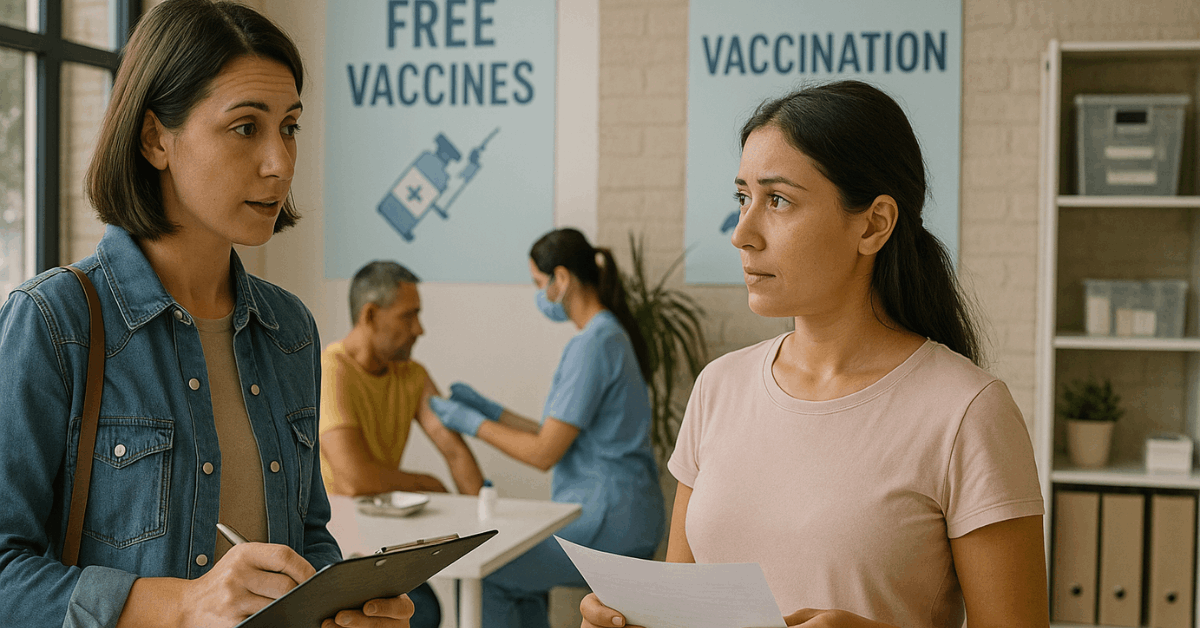
What Are Free Vaccination Campaigns?
These programs focus on diseases such as influenza, hepatitis, HPV, measles, and COVID-19. They may be scheduled seasonally or during outbreaks.
Many are open to all residents, while some prioritize vulnerable groups such as children or the elderly. Governments and health centers often publish official schedules on verified health websites.
Why Governments Offer Free Vaccines?
The main purpose is to reduce hospitalization rates and prevent epidemics. Vaccinating the public saves billions in healthcare costs and ensures population resilience during crises.
By removing cost barriers, more people get immunized on time. This helps nations maintain strong and healthy communities.
Common Vaccines Included
Most free vaccination drives include basic immunizations like polio, tetanus, hepatitis B, and COVID-19 boosters. In some regions, campaigns also provide vaccines against cervical cancer or dengue.
Mobile clinics may visit schools or rural areas for easy access. These efforts help ensure no one is left behind.
Eligibility and Documentation
Before applying, you must know who qualifies and what documents are required. Each campaign follows eligibility rules based on age, location, or health condition. Being prepared avoids delays during registration.
- Age Requirement: Some vaccines target infants, while others are designed for adults or seniors.
- Residency or Citizenship: Proof of local residence may be required.
- Health Records: A vaccination card or medical history might be needed to confirm doses.
- Identification: Bring an ID such as a national card or passport for verification.
These requirements ensure vaccines reach the right recipients efficiently. Always review the eligibility section on the official website before signing up.
How to Find Free Vaccination Campaigns
There are multiple ways to locate vaccination schedules near you. Governments, hospitals, and trusted health organizations regularly post updates online. You can also check local centers or social media pages verified by public health agencies.
Online Platforms and Apps
You can visit the official Ministry of Health website for verified local vaccination updates, or check the World Health Organization Immunization Page for global information.
Mobile health apps like CDC Vaccines.gov also send reliable alerts about nearby vaccination events. Signing up through these platforms ensures you stay informed and never miss an opportunity.
Local Health Centers and Community Boards
Public hospitals, barangay health stations, and schools commonly host free vaccination drives. They display schedules on bulletin boards or distribute flyers. Always verify information with licensed healthcare staff before attending.
News and Government Announcements
Tune into local news or radio stations for public health announcements. Many governments announce mass vaccination weeks ahead of time. Reliable information helps you plan early and avoid long queues.
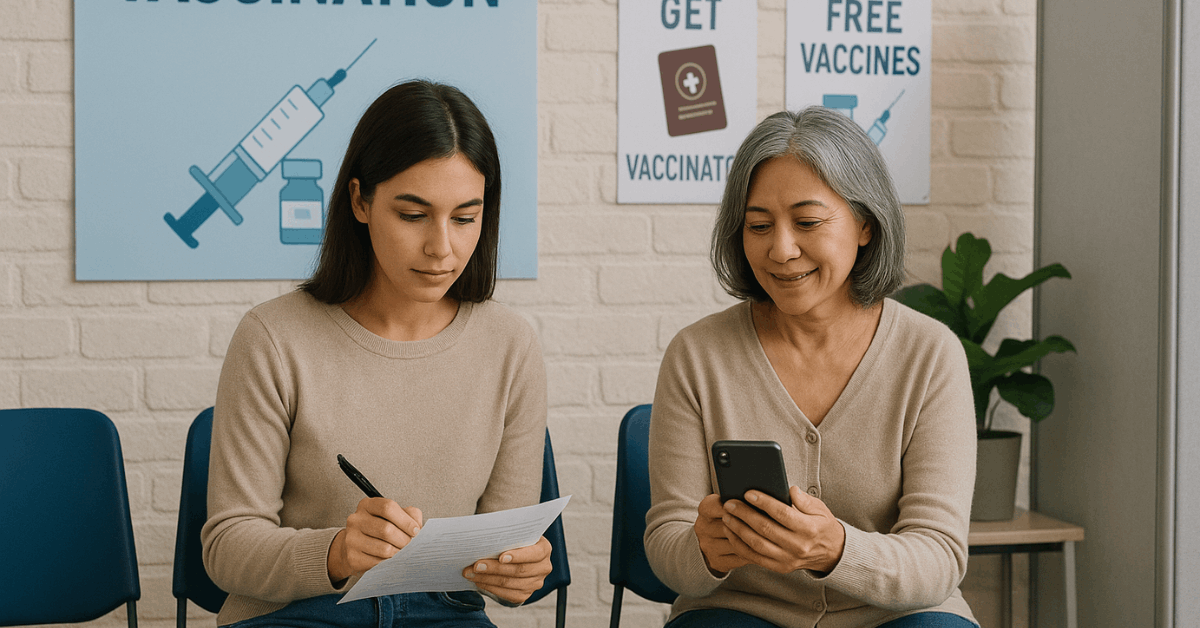
Registration and Application Steps
The application process is usually simple and fast. It depends on whether the campaign allows walk-ins or requires online registration. Completing the process correctly helps secure your vaccination slot.
- Visit your city or health department’s website and locate the vaccination portal.
- Fill in the form with your personal details and preferred vaccine type.
- Upload required identification or supporting documents.
- Choose your nearest vaccination site and confirm your appointment.
- Receive a confirmation code or text message from the organizer.
After registration, you’ll receive details about your schedule and requirements. Keep your confirmation proof as it may be checked on the vaccination day.
What Happens on the Day of Vaccination?
When your scheduled day arrives, arrive early to avoid crowds. Bring all required documents and wear clothing that allows easy access to your upper arm.
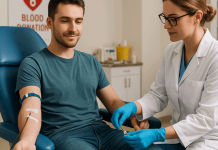
Expect to follow standard health protocols like mask-wearing and temperature checks. A nurse or doctor will verify your information, conduct a brief screening, and administer the vaccine.
You’ll then be asked to rest for 15 to 30 minutes for observation. Minor side effects such as soreness or fatigue are normal and temporary.
After Vaccination: Monitoring and Records
It’s important to keep your vaccination card in a safe place. This record proves that you received a valid dose. Some countries also issue digital vaccination certificates through apps or email.
If a second dose or booster is required, note the date on your card or phone calendar. Report any unusual side effects to your local health office. Staying informed ensures continued protection.
Addressing Common Challenges
Even with organized systems, some people face difficulties accessing free vaccination drives. These can include limited slots, transportation barriers, or misinformation.
- Register early as soon as campaigns open to secure a slot.
- Call health hotlines if online registration fails.
- Verify details through official health channels to avoid scams.
- Ask your barangay officials about mobile vaccination schedules.
- Preparation and patience will help you complete the process smoothly.
Global and NGO-Based Vaccination Programs
Some free vaccination campaigns are organized by international partners. NGOs and global health alliances extend vaccine access to developing nations and underserved areas.
World Health Organization - WHO
WHO coordinates immunization programs in collaboration with local health ministries.
Its goal is to achieve universal vaccine coverage. Many WHO-led campaigns are announced online and through partner clinics.
UNICEF and Red Cross
UNICEF focuses on child vaccination drives worldwide. The Red Cross also offers support for disaster and refugee zones. Both provide online registration or walk-in centers depending on the country.
For Travelers and Migrants
People living abroad can apply through embassy websites or travel health centers. These services ensure migrants receive recognized vaccines.
Always check requirements for international travel vaccines like yellow fever or polio.
Staying Updated and Protected
Staying informed ensures you never miss new vaccination opportunities. Health authorities often publish updated schedules as new vaccines become available.
Subscribe to newsletters from trusted sources like CDC or local health ministries. Follow verified pages for credible alerts instead of rumors. Consistent updates keep you and your family safe from preventable diseases.
Taking the Next Step Toward a Healthier Future
Applying for free vaccination campaigns is a practical way to protect your health and community. These initiatives provide essential vaccines without financial barriers.
By staying informed, you help strengthen public safety and prevent outbreaks. Visit your local health department or official website today to register and keep your family safe.