Reliable support exists for households that qualify under Brazil’s social electricity policy framework. Placing enerygy bill discount (Tarifa Social) steps in one place helps low-income families claim lawful reductions quickly.
Clear eligibility checks, correctly prepared documents, and timely contact with distributors shorten processing. Recent reforms expand relief for the most vulnerable, including targeted free kilowatt-hour allowances and specific surcharge exemptions.


What Tarifa Social Does
Program rules reduce monthly electricity costs through tiered percentages tied to household consumption. Lower usage triggers higher discounts, while benefits taper as consumption rises toward the ceiling.
Official bands typically run up to 220 kWh per month for discounted billing. Several measures now add targeted relief for extremely low consumption, subject to income validation and registry status.
Residential Low-Income Users
Discounts were established under Law 12,212/2010 to protect residential low-income users nationwide. Subsequent lawmaking and decrees refined eligibility pathways and cross-checking between agencies and distributors.
Current implementation hinges on monthly data matching between social registries and utility customer records. That cross-referencing ensures benefits reach the correct Consumer Unit without repeated local applications.
Who Qualifies For The Discount
Eligibility centers on verified low income, proper registry enrollment, and residency served by a participating distributor.
CadÚnico status remains the keystone because it authenticates socio-economic eligibility consistently across programs.
Families with a beneficiary of the Continuous Payment Benefit (BPC) receive stronger protections. Several communities and special cases receive tailored pathways designed to remove documentation barriers ethically.
Indigenous and Quilombola Communities
Indigenous and Quilombola communities appear explicitly in eligibility lists under published program guidance. Alternative documentation may apply when a CPF is unavailable or requires correction during onboarding.
Medically dependent customers using grid-powered devices qualify for special handling through vital-customer status. Local distributor channels explain device declarations, physician statements, and flags needed to prevent service interruptions.
How To Apply And Get Verified
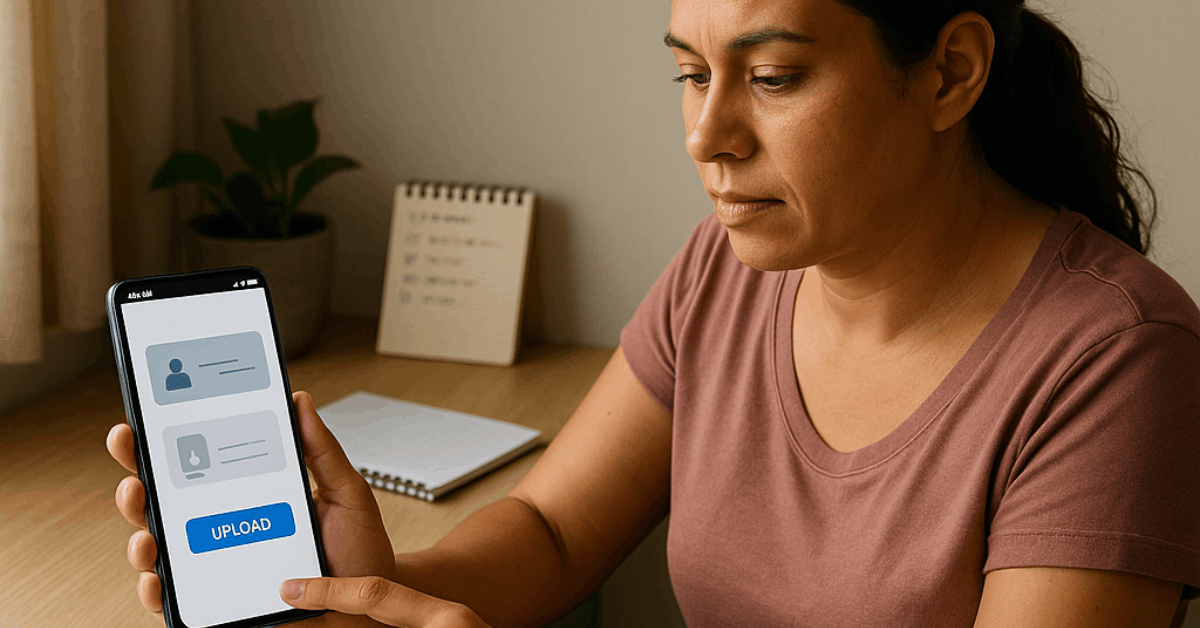
Registration normally starts with CadÚnico because the federal registry underpins nearly every social benefit. Distributors accept applications that pair CadÚnico identification with personal documents and a recent bill.
Verification links the family’s NIS or benefit number to the actual Consumer Unit. Matching occurs through monthly datasets, reducing manual work once the linkage is accurately confirmed.
Automatic Application
Several families never need a traditional application because automatic inclusion now covers many BPC cases. Law 14,203/2021 mandated monthly cross-referencing by the Ministry of Development and partners.
Matching uses the CPF and Consumer Unit registry to deliver discounts seamlessly on bills. Careful address hygiene prevents mismatches that otherwise delay inclusion despite complete social program status.
Tarifa Social Discount Levels
Section context matters because discount perception changes across usage bands and threshold rules. Understanding the approximate tiers helps set expectations before budgeting, conservation, or appliance upgrades begin.
Lower usage yields the highest percentage reduction, directly rewarding economical consumption patterns. The reference bands below are typical, with additional reforms layered for specific income groups.
| Monthly Consumption Band | Discount Percentage | Notes |
| Up to 30 kWh | 65% | Highest relief for very low usage households |
| 31–100 kWh | 40% | Significant reduction under standard program rules |
| 101–220 kWh | 10% | Tapered relief near the top band |
| Up to 80 kWh* | 100%* | *Recent reform track: free electricity up to 80 kWh for eligible families |
| Up to 120 kWh** | CDE exemption** | CDE surcharge exemption for defined income brackets |
The starred measures reflect recent reform tracks tied to per-capita income verification. Always confirm current thresholds with the local distributor because regional implementation timelines may vary.
Automatic Inclusion For BPC And Data Matching
Automatic inclusion eliminates repeated trips when eligibility already exists within federal benefit systems. Monthly databases from the social ministry flow to utility distributors for automated matching.
The process attaches the correct tariff to the Consumer Unit listed in the bill. Ownership mismatches seldom block benefits because the rule allows beneficiaries who are not account holders.
Practical guardrails limit stacking or double counting across multiple addresses and contractual units. One benefit applies per Consumer Unit to keep distribution equitable and manageable nationally. Residency must sit inside the distributor’s concession area for the flag to apply.
Documents And Steps To Speed Approval
This section includes a short intro because a compact checklist improves recall and execution. Correct document packaging avoids rework and prevents stalls caused by missing identifiers.
Direct channel selection also matters because some contact paths accelerate matching and confirmation. Follow the five-item checklist and escalate politely if a promised callback window passes.
- Confirm CadÚnico status first: Validate active NIS details and household composition before contacting the distributor.
- Prepare core IDs and numbers: Keep government ID, CPF, NIS or benefit number, and a recent bill ready.
- Match the Consumer Unit: Verify the service address falls inside the distributor’s concession and reflects current occupancy.
- Use the right channel: Prioritize official app or portal when available, then hotline or service desk.
- Record commitments: Note ticket numbers, promised dates, and staff names to support quick follow-ups.
Common Mistakes And How To Avoid Them
These are some of the most common mistakes people do:
- Incorrect addresses frequently block automated matching even when social eligibility is perfectly valid.
- Submitting a recent bill that reflects the correct Consumer Unit fixes most address mismatches.
- Expired CadÚnico records also cause silent failures during monthly cross-checks between agencies. Revalidating household composition and income data keeps entitlement flags active without additional effort.
- Misreading usage bands sometimes produces budgeting surprises when consumption crosses a threshold unexpectedly.
- Monitoring kWh month to month allows conservation steps before discounts taper under higher bands.
- Incomplete medical documentation can delay vital-customer protections for electrically powered devices at home.
- Requesting the correct physician statement and device details quickly establishes protection against disconnection.
Quick Comparison: Distributor Contact Channels
Good channel selection reduces processing time and minimizes repeated document submissions across departments. The table summarizes common routes, expected response patterns, and best use cases for each.
Choose one primary path, then follow with a secondary escalation if timing slips. Keep every confirmation email and ticket number because records help resolve edge cases quickly.
| Channel | Best Use Case | Typical Response Window | Strengths | Watchouts |
| Official App | Upload docs, track tickets, receive updates | 24–72 hours | Centralized history, easy resubmission | App availability varies |
| Web Portal | Formal submission with document checklist | 24–96 hours | Desktop scanning, clear forms | Session timeouts |
| Phone Hotline | Clarify rules, open tickets, confirm status | Same day to 48 hours | Human guidance, escalation options | Limited document handling |
| Service Desk | Complex cases, medical device verification | Same day | Face-to-face resolution, stamped copies | Travel time, queue length |
| Social Channels | Status nudges once a ticket exists | Varies | Visibility and reminders | Not for first submissions |
Practical Implementation Tips
Small process improvements often unlock faster approvals without additional household effort or costs.
- A dedicated folder for IDs, numbers, and bills keeps submissions consistent across contacts.
- Saving PDF copies of everything establishes a portable record for escalations or distributor transfers.
- A quarterly calendar reminder helps confirm registry and address data remain current.
- Tracking kilowatt-hour usage alongside billing cycles reduces unpleasant threshold surprises later.
- Energy audits and efficient appliances may tip usage downward enough to improve discount bands.
- Distributor programs sometimes pair social tariffs with additional efficiency kits or advisory visits.
- Combining relief with conservation locks in both immediate and long-term savings for households.
Compliance, Oversight, And Source Notes
Program authority derives from Law 12,212/2010 and later amendments including Law 14,203/2021. Implementation responsibilities are jointly held by federal social agencies and regional electricity distributors.
The Ministry of Development, Social Assistance, and Hunger Alleviation coordinates monthly data flows. Local distributor charters and technical standards specify customer-service SLAs and document handling.
The Energy Development Account (CDE) relief interacts with tariff lines present on bills. Confirm the exact structure with the local distributor because itemization varies by concession.
Conclusion
Reliable relief arrives when eligibility is proven, addresses match records, and channels process documents. Careful preparation, accurate registry status, and proactive follow-ups produce faster, cleaner approvals.
Tiered discounts assist modest consumption while targeted reforms strengthen protection for the most vulnerable. A disciplined approach turns a lawful right into predictable savings that stabilize monthly household budgets.