Securing timely oral care gets much easier once entry points and referral steps are crystal clear.
Free Dental Checkups In Brazil are guaranteed under SUS through primary units, specialty centers, and hospital support. Zero fees, national records, and priority for underserved groups combine to remove common barriers.


Follow the pathway below to move efficiently from screening to treatment without unnecessary detours.
Brasil Sorridente: What It Is And Why It Matters
Brazil’s national oral-health policy, Brasil Sorridente, embeds free prevention, treatment, and rehabilitation within the Unified Health System.
Launched in 2004, the program guarantees access regardless of income, geography, or documentation complexity. The design integrates health promotion, restorative dentistry, specialties, and prosthetic rehabilitation under one financing roof.
Planners worldwide often study this model because benefits scale without reintroducing point-of-care charges.
Policy Foundation And Purpose
The policy replaced extraction-heavy approaches with comprehensive preventive and restorative care at the community level. Fluoride, sealants, resin fillings, and periodontal therapy sit upstream from complex hospital cases.
Guarantees apply across age groups and clinical needs, including trauma, oncology, and maxillofacial surgery. Legal status strengthens continuity, planning cycles, and accountability for service standards across municipalities and states.
Universal Access And Network Structure
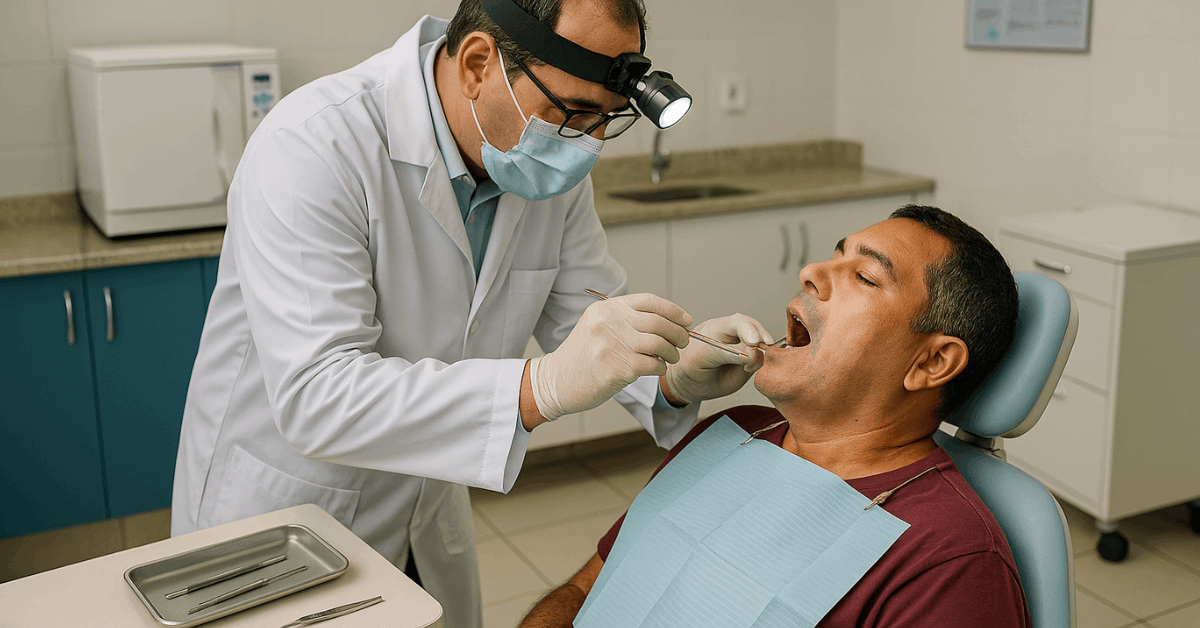
Coverage applies to all residents through SUS, eliminating consultation and materials fees at every tier. Care is organized across primary units, Centers for Dental Specialties, and SUS-linked hospitals.
Referrals escalate complexity while keeping records unified to avoid repeated histories and imaging. This integration lowers costs, shortens wait times, and clarifies the patient journey from first contact.
How The Treatment Pathway Works
Clear expectations reduce delays and prevent repeated visits for basic procedures or initial triage mismatches. The pathway begins at primary care, where most prevention and simple restorations are completed promptly.
Cases exceeding that scope move to specialty centers for endodontics, periodontics, or minor surgery. Hospital teams manage surgical, trauma, and oncology cases requiring advanced diagnostics or operating rooms.
| Care Level | Main Facilities | Typical Procedures | Referral Trigger |
| Primary | Basic Health Units (UBS), Family Health Units (USF), Mobile Dental Units (UOM) | Check-ups, fluoride, sealants, simple fillings | Initial visit or routine follow-up |
| Secondary | Centers for Dental Specialties (CEOs) | Root canals, periodontal therapy, minor surgery, prosthetic assessment | Complexity exceeds primary scope |
| Tertiary | SUS-linked hospitals | Maxillofacial surgery, trauma, oncology | Severe pathology or surgical need |
Entry Points: Digital And In-Person
Starting correctly saves time, reduces missed appointments, and speeds movement through referrals. Digital and walk-in channels feed the same ladder, so choose whichever is faster locally.
Identification rules vary slightly by municipality, but core SUS access remains universal. Keep recent address proof available because some units request it during initial enrollment.
| Entry Option | Steps | ID Needed | Typical Wait | Best For |
| Conecte SUS app | Register, open Health Network, tap Oral Health, select a UBS | Government ID | Short–Moderate | Cities with active app scheduling |
| Walk-in at UBS | Arrive early, request oral-health agenda, enter triage queue | Government ID | Moderate | Towns with predictable desk triage |
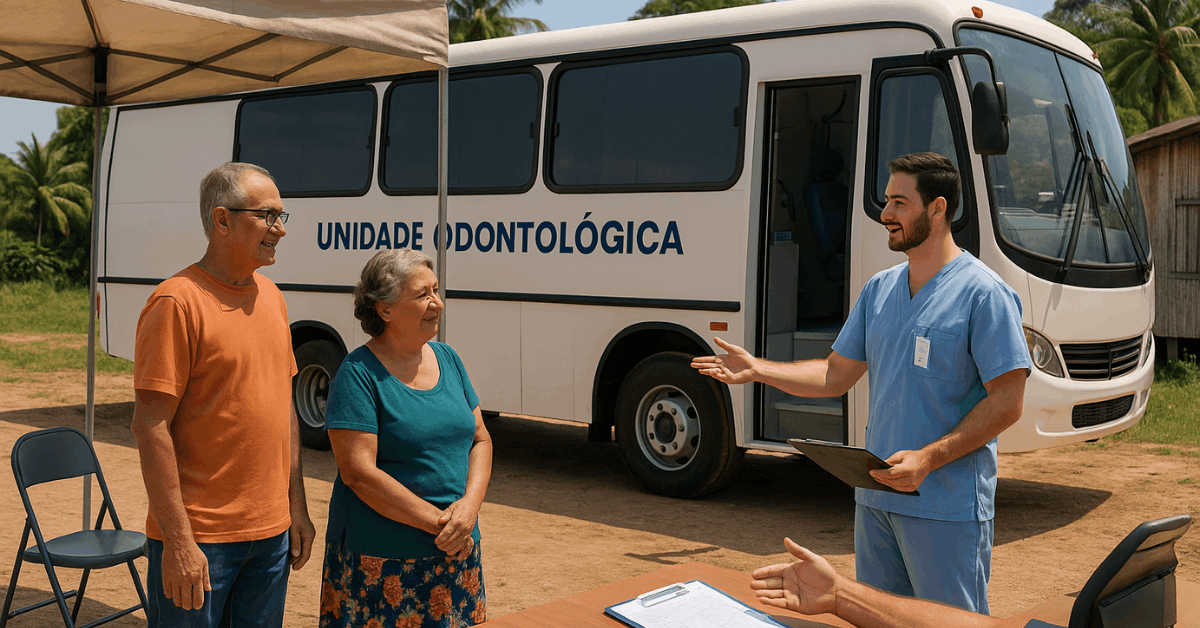
| Mobile unit day | Check local postings, attend pop-up clinic, accept screening | Government ID | Variable | Remote zones and outreach events |
Core Services You Can Expect
Predictable menus help patients finish more care during fewer visits while maintaining continuity. Primary teams deliver fluoride varnish, sealants for children, fillings, scaling, and uncomplicated extractions.
Secondary centers handle endodontics, advanced periodontal therapy, minor oral surgery, and prosthetic planning. Hospital services cover maxillofacial surgery, oncology pathways, trauma stabilization, and complex anesthesia cases.
Quick-Start Checklist For Patients
A few practical steps accelerate first appointments and protect places in queue systems. Keep documents ready, arrive early for walk-ins, and accept eligible same-day procedures when offered.
Hold referral slips carefully because specialty and hospital clinics require originals during intake. Confirm follow-ups immediately to maintain continuity and avoid restarting triage after gaps.
- Install Conecte SUS and complete identity verification before searching nearby oral-health slots.
- Locate the nearest Basic Health Unit UBS and confirm dental availability for the current week.
- Bring government ID and recent address proof if local desks request residency confirmation.
- Accept immediate basic treatment when clinicians offer same-day fillings or cleanings during screening.
- Keep referral documentation secure and rebook follow-ups before leaving the unit reception.
Equity And Inclusion Commitments
Priority policies address historical gaps that left rural and vulnerable groups underserved for decades. Outreach focuses on riverine communities, Indigenous peoples, people with disabilities, and remote settlements.
Mobile teams, incentive payments, and location-based staffing rules increase coverage in low-density zones. Education materials and culturally sensitive communication improve adherence and health outcomes over time.
Legal Milestone That Protects Access
Dental care became a statutory right on 8 May 2023 when Bill 8.131/2017 amended the Organic Health Law. Legal entrenchment prevents future administrations from shelving guarantees or defunding core services.
Protected funding stabilizes procurement, staffing, and training for oral-health teams nationwide. Patients benefit through predictable access, shorter policy swings, and stronger accountability for continuity.
Network Scale And Workforce Strength
Scale demonstrates sustained federal commitment to oral-health infrastructure across Brazil’s vast geography.
As of August 2024, Brazil’s Ministry of Health reported 34,729 Oral-Health Teams, 1,197 CEOs, 3,984 prosthesis laboratories, and 441 specialty oral-health services.
Continuous transfers fund materials, equipment renewal, and professional development for dentists and hygienists. Public investment supports jobs, strengthens local training pipelines, and stabilizes the broader care ecosystem.
Costs, Records, And Continuity
Direct charges at the point of care are eliminated for consultations and materials. SUS electronic health records follow patients nationwide to reduce duplicate histories and imaging.
Continuity improves when follow-ups are scheduled before leaving the unit or clinic. These elements collectively remove hidden costs that frequently derail long-term oral-health plans.
Tangible Benefits For Patients
Program design reduces catastrophic expenses associated with extractions, dentures, and surgical cases. Regular periodontal care decreases inflammatory burden and improves control for patients with diabetes.
Routine exams help flag suspicious lesions early and expedite oncology referrals for confirmation. Free dentures restore nutrition, speech, and employability without out-of-pocket spending.
Ongoing Challenges And Remedies
Geographic obstacles, infrastructure deficits, and uneven budget execution still affect certain regions. Parts of the Amazon and semi-arid Northeast remain difficult to staff and supply.
2025–2027 plans emphasize tele-dentistry pilots, satellite clinics, and real-time financing dashboards. Patients can submit outage reports and complaints through Conecte SUS to create accountability loops.
Complementary Nonprofit Support
Nonprofit initiatives complement the public backbone by serving communities facing compound barriers. Projects like Por1sorriso have delivered thousands of procedures during outreach campaigns.
Corporate and civil society partnerships help with supplies, logistics, and volunteer mobilization. Public pathways remain primary, but community projects can bridge gaps during local shortages.
Takeaways For Health Planners
Design features that travel well deserve emphasis when adapting lessons beyond Brazil’s context. Legal entrenchment protects budgets and standards through political transitions and fiscal cycles.
Tiered networks align complexity with capability, reducing costs while clarifying patient flow. Digital triage simplifies navigation for mixed literacy levels and lowers administrative overhead long term.
Practical Glossary: Terms Seen In Clinics
Keeping terms straight accelerates conversations at desks and during triage in busy units. Conecte SUS dental booking refers to scheduling within the national app’s oral-health module.
Basic Health Unit UBS indicates the neighborhood primary-care facility managing prevention and restorations.
Centers for Dental Specialties CEOs deliver secondary care after referrals from primary teams. Regional Dental Prosthesis Laboratories handle denture fabrication, fitting, and adjustments under SUS coverage.
How To Phrase Requests At The Desk
Concise requests help staff route cases correctly without repeated explanations or missed details.
State that a screening, cleaning, or simple filling is requested during today’s visit.
Mention ongoing pain, trauma, or swelling clearly to trigger priority protocols and evaluation. Present the referral slip neatly when arriving at the specialty or hospital clinic intake.
Conclusion
Organized preparation, punctual arrival, and respectful communication move cases faster through the ladder. Conecte SUS appointments and walk-in triage ultimately lead to the same referral network.
Free Dental Checkups In Brazil are guaranteed, integrated, and protected by national legislation. Follow the checklist, keep documents handy, and complete follow-ups to lock in durable results.