Finding practical help gets easier when daily tools sit on the phone already carried everywhere.
The best apps for stress and anxiety relief deliver breathing, mindfulness, and cognitive exercises that fit short windows.


Structured routines transform scattered features into predictable support between therapy sessions or during difficult days. Consistent practice builds skills that reduce spirals, improve sleep, and support steadier moods over time.

How These Apps Support Daily Coping
Evidence-informed apps package techniques from cognitive behavioral therapy, mindfulness, and relaxation training into short, coachable steps.
Teaches You to Spot Unhealthy Thoughts
Structured prompts teach recognition of unhelpful thoughts, breathing to regulate arousal, and gradual exposure that reduces avoidance patterns safely.
Progress trackers, reminders, and streaks reinforce repetition without demanding long sessions or perfect schedules. Many programs mirror therapist guidance, giving practical homework between appointments when motivation dips.
Apps Compliment Professional Care
Clinical bodies frequently emphasize that self-help tools complement professional care rather than replace it entirely. The World Health Organization highlights stepped-care approaches that match support intensity to current severity.
The American Psychological Association notes strong evidence for CBT, mindfulness, and exposure-based methods in anxiety treatment. Treat these apps as daily practice gyms that keep skills sharp between formal visits.
When To Use Apps And When To Seek Care
Mild to moderate stress often responds well to structured breathing, mindfulness, journaling, and progress tracking.
- Escalating symptoms, persistent functional impairment, or thoughts of self-harm require prompt evaluation by licensed clinicians.
- Local emergency services or crisis hotlines remain the correct contact in any immediate danger scenario.
- Primary-care physicians can coordinate referrals and medication reviews when insomnia, panic, or depression worsen.
- Expect individual variation because triggers, schedules, and comorbidities shape response to features and formats.
- Short trials with measurable goals help identify what improves sleep, focus, or specific anxiety cues.
- Clear boundaries prevent compulsive app checking that paradoxically fuels reassurance cycles and rumination.
- Regular therapist check-ins align digital routines with personalized treatment plans and safety considerations.
Core Techniques Inside Anxiety Apps
Cognitive behavioral therapy elements teach pattern spotting, cognitive restructuring, and behavioral activation for stalled routines.
- Mindfulness trains attention to present sensations while reducing fusion with passing thoughts and emotions.
- Breathing exercises modulate autonomic arousal, easing fight-or-flight reactivity during spikes or anticipated triggers.
- Exposure protocols reduce avoidance by pairing gradual confrontation with coping skills and safety planning.
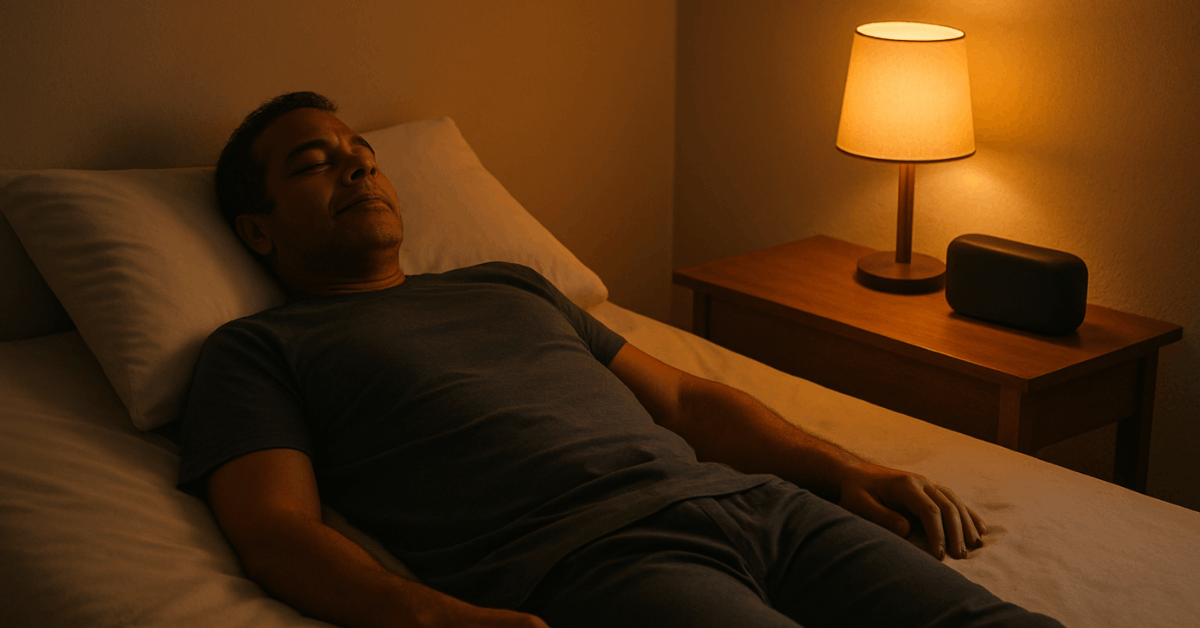
- Sleep tools combine psychoeducation, stimulus control prompts, and audio features tailored to wind-down routines.
- Journaling supports emotional labeling, gratitude practices, and data collection for therapist review.
- Community features provide moderated spaces for peer encouragement, coping stories, and accountability.
- Notifications reinforce repetition, though schedules should match personal rhythms rather than arbitrary streak demands.
Evidence-Informed Picks To Try First
Professional listings, including resources from the Anxiety and Depression Association of America, frequently mention these options. Start with one or two, set small goals, and measure concrete outcomes weekly.
Replace any tool that fails to move sleep, worry time, or panic frequency after reasonable trials.
- Sanvello – CBT lessons, mood tracking, and breathing tools; integrates goals that translate well to therapy homework. Supports thought records and stepwise behavior change across work, school, and home contexts.
- MindShift – A teen anxiety support app with CBT skills, quick tips, and situation-based coaching for perfectionism and performance anxiety. Favors short, actionable steps suited to adolescents and young adults.
- Breathe2Relax – A guided breathing exercises app originating with the National Center for Telehealth & Technology; includes paced diagrams and progress maps. Useful during anticipated triggers and post-event decompression.
- Panic Relief – Taps panic attack coping tools grounded in evidence; pairs muscle relaxation, rest cues, and in-the-moment breathing. Practical during early symptom build-ups and recovery periods afterward.
- Self-Help Anxiety Management – Mindfulness, monitoring, and cognitive exercises for older teens and adults; encourages private reflection and skill rehearsal.
Specialized Tools For OCD, PTSD, And Trauma
Exposure and response prevention requires careful structure that benefits from therapist collaboration for safety. Live OCD Free supports ERP practice with reminders, tracking, and personalization for children or adults.
PTSD Coach provides psychoeducation, coping skills, and tracking designed initially for military communities. eCBT Trauma offers structured learning and exercises that align with trauma-focused protocols over time.
Pair specialized apps with clinician guidance, especially when distress peaks during exposure steps. Safety plans, session debriefs, and graded hierarchies keep progress steady without overwhelming the system.
Build A 10-Minute Daily Routine
A reliable micro-routine keeps momentum without demanding large time blocks or perfect conditions. This sequence blends CBT, mindfulness, and breathing in a compact structure that scales upward.
Track three outcomes only: sleep quality, daily worry minutes, and avoidance behaviors avoided. Adjust components after one week if none of the tracked metrics improve meaningfully.
| Minute | Action | Feature To Use | Expected Outcome |
| 0–2 | Label today’s top stressor | Thought record or quick journal | Reduced ambiguity, clearer target |
| 2–5 | Regulate with paced breathing | guided breathing exercises app module | Lower arousal, steadier attention |
| 5–7 | Reframe one thought | CBT worksheet inside cognitive behavioral therapy app | More balanced appraisal |
| 7–9 | Mini-exposure or behavior step | Task checklist and timer | Less avoidance, mastery signal |
| 9–10 | Log results and set reminder | Tracker, streak, or calendar nudge | Habit consolidation, next cue ready |
Privacy, Data, And Cost Settings
Health data carries sensitivity that deserves explicit review of settings before committing to any platform. Preference panels should reveal analytics uses, data retention windows, and export options.
Anonymous modes or pseudonyms protect identity inside communities when discussing personal details publicly. Device-level privacy controls further limit cross-app tracking that might profile mental-health behavior.
Free tiers vary widely, so evaluate actual utility before upgrading to premium. Introductory offers sometimes unlock full libraries briefly, which helps evaluate depth and fit.
Quick Start Checklist
This list condenses high-leverage moves that raise success without consuming whole evenings. Implementing two or three steps today will usually produce noticeable traction within a week.
Keep expectations realistic, measure only a few outcomes, and iterate calmly. Replace any tool that fails to produce movement after a fair trial.
- Set one measurable outcome and one trigger context for the first week’s practice.
- Pick a mindfulness meditation app for anxiety and schedule two short daily sessions.
- Add a cognitive behavioral therapy app thought record for the most repetitive worry theme.
- Enable mental health chat support as a back-up option during difficult evenings.
- Prepare travel packs with offline anxiety relief modes for flights, subways, or rural areas.
Conclusion
Consistent practice with the right tools steadily reduces spirals and restores everyday confidence. A compact routine anchored to breathing, mindfulness, and cognitive skills delivers dependable relief.
Thoughtful selection, privacy checks, and realistic goals keep programs sustainable across busy weeks. Start small, measure outcomes, and let proven apps for stress and anxiety relief support steadier days.